
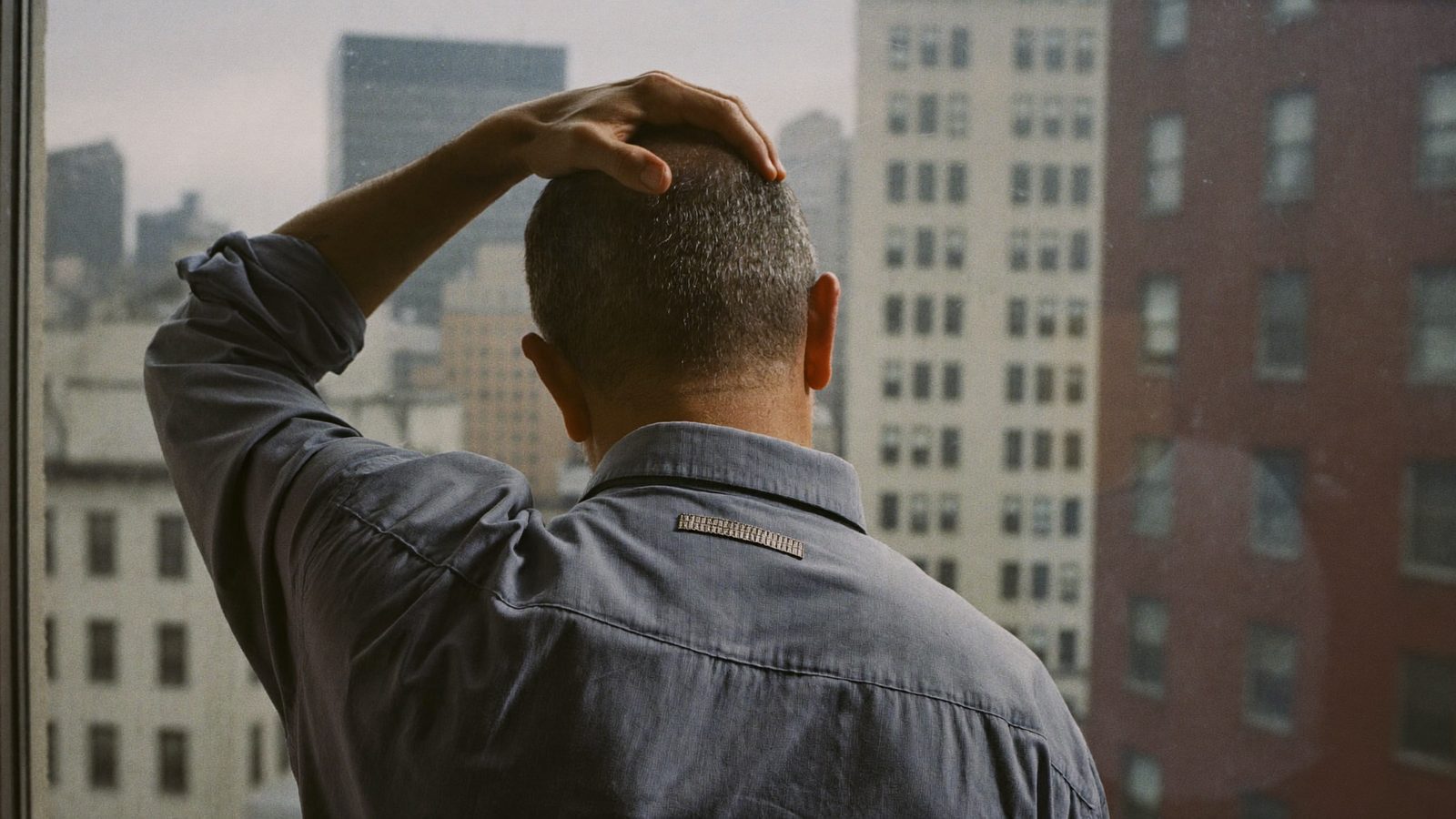
Baldness is one of the most common conditions in the world, and one of the least talked about. By middle age, a large share of men and a significant number of women notice thinning hair, yet many people put off getting answers because they assume nothing can be done. In reality, most causes of hair loss can be identified, many can be slowed, and some can be fully restored.
This guide explains the main causes of baldness and hair loss, how to tell them apart, how to cope with the emotional side, and the treatments that can help. When you are ready for a diagnosis, the team at our hair transplant clinic in NYC can assess your scalp in person.
How Hair Grows and Why It Stops
Each hair follicle cycles through three main phases: a long growth phase (anagen) that lasts years, a short transition phase (catagen), and a resting phase (telogen) of a few months, after which the hair sheds and a new one starts growing. Losing roughly 50 to 100 hairs a day is normal. Hair loss becomes visible when follicles shrink and produce thinner hairs, when too many follicles enter the resting phase at once, or when follicles are damaged.
The Main Causes of Hair Loss
| Condition | Typical pattern | Usually permanent? |
| Androgenetic alopecia (pattern hair loss) | Receding temples and crown in men; widening part in women | Progressive without treatment |
| Telogen effluvium | Diffuse shedding 2 to 3 months after illness, surgery, childbirth, stress or rapid weight loss | Usually recovers |
| Alopecia areata | Round, smooth patches; autoimmune | Often recovers, can recur |
| Traction alopecia | Thinning along the hairline or part from tight hairstyles | Reversible early, can become permanent |
| Scarring alopecias | Patches with skin changes; inflammatory | Permanent where scarring occurs |
| Nutritional or medical causes | Diffuse thinning linked to iron, thyroid or hormonal problems | Often improves with treatment |
Male Pattern Baldness
Male pattern baldness is the most common cause of hair loss in men. It is driven by genetics and DHT, a hormone that gradually shrinks sensitive follicles on the top and front of the scalp. It usually follows the Norwood scale: recession at the temples, thinning at the crown, and eventually a larger bald area surrounded by a horseshoe of hair that remains. That horseshoe of DHT-resistant hair is what makes hair transplants possible. Our male hair transplant page explains the options.
Female Pattern Hair Loss
Women more often experience diffuse thinning across the top of the scalp, a widening part and a less dense ponytail, while the frontal hairline is usually preserved. It is graded on the Ludwig or Savin scale. Because women's hair loss has many possible causes, blood tests for iron, thyroid function and hormones are often part of the assessment. Our female hair transplant page covers how women's hair loss is treated.
Recognizing Early Signs
Early hair loss is easier to treat, so it helps to recognize it. Common early signs include a hairline that keeps moving back, more scalp visible under bright lights or in photos, a crown that looks thinner from above, hair that feels finer, a part that looks wider and more hair than usual in the shower drain or on the pillow. Comparing photos from a few years apart is often the clearest way to see change.
The Emotional Side of Hair Loss
Hair loss is not just cosmetic. Many people describe feeling older than they are, less confident in photos, self-conscious at work or anxious about dating. These feelings are common and valid. A few things help:
- Get a diagnosis. Uncertainty is often worse than the facts. Knowing the cause and the options gives back a sense of control.
- Act early if you want to. Treatment works best while follicles are still alive and producing hair.
- Consider a style change. Shorter cuts can make thinning less noticeable, and some people find a close crop liberating.
- Talk about it. Many friends and colleagues are dealing with the same thing. If hair loss is seriously affecting your mood, speaking with your doctor is worthwhile.
Treatment Options
The right treatment depends on the cause, the stage and your goals. Most options fall into four groups.
Medication. Finasteride and minoxidil, prescribed after a medical review, can slow or stop pattern hair loss in many people and sometimes thicken existing hair. Our guide to hair loss medication explains how they work and their side effects.
Regenerative treatments. PRP treatment uses concentrated platelets from your own blood to support weakening follicles. It works best on early to moderate thinning where follicles are still active.
Hair transplantation. When follicles are gone in an area, a transplant moves permanent, DHT-resistant hair from the back and sides to where it is needed. It is the only treatment that restores hair to areas that are fully bald. Our guide on whether you are a candidate explains who it suits.
Cosmetic options. Scalp micropigmentation, hair fibers and hairpieces can add the look of density without medical treatment.
About hair cloning: growing new follicles from a small sample of your own cells is an active area of research but is not yet an approved, routinely available treatment. Our hair cloning page explains where the science stands.
Turning Back the Clock: What Is Realistic
"Turning back the clock" on hair loss usually means combining treatments: protecting the hair you have with medication or PRP, and restoring the areas you have lost with a transplant. Most people cannot return to their teenage density, because donor hair is limited, but many achieve a natural, full look that frames the face and takes years off their appearance. The earlier you start, the more hair there is to protect.
Common Myths About Baldness
"Baldness comes from your mother's side." Genes from both parents play a role. A maternal grandfather with hair loss is a clue, but so is your father's pattern.
"Wearing hats causes hair loss." Normal hats do not cause pattern baldness. Very tight headwear worn constantly can cause traction on the hairline, but that is a different condition.
"Washing your hair often makes it fall out." Washing simply removes hairs that were already shedding. It does not cause hair loss.
"Stress makes you go bald." Severe stress can trigger temporary shedding (telogen effluvium), which usually recovers. It does not cause permanent pattern loss, though it can make existing thinning more noticeable.
"Once it starts, nothing can be done." Early treatment can slow or stop pattern hair loss in many people, and lost areas can be restored with a transplant.
When to See a Professional
Book an assessment if you notice sudden or patchy hair loss, shedding that continues for more than a few months, scalp itching, pain, redness or scaling, hair loss alongside other symptoms such as fatigue or weight change, or steady recession and thinning that is changing how you look. Early evaluation gives you the most options.
How the Norwood and Ludwig Scales Work
The Norwood scale grades male pattern loss in seven stages, from a full hairline at stage 1, through temple recession at stages 2 and 3, crown thinning at stage 3 vertex, deeper frontal and crown loss at stages 4 and 5, to a large bald area surrounded by a horseshoe of hair at stages 6 and 7. The Ludwig scale grades female thinning in three stages, from mild thinning on top with a widening part, through moderate thinning, to extensive thinning across the crown while the frontal hairline is usually preserved.
These scales help predict how hair loss may progress, how many grafts may be needed and which treatments are likely to help. They are also a useful way to track change over time. Our guide on how many grafts you need shows how stage relates to graft count.
Getting a Diagnosis
At a free assessment, the team reviews your history, family pattern and any recent illness or stress, examines your scalp under magnification and checks for miniaturization in the thinning areas and the donor area. If another cause is suspected, you may be referred for blood tests or to a dermatologist. You leave with a clear explanation of what is causing your hair loss and what can be done about it.
Find Out What Is Causing Your Hair Loss
A free assessment with Dr. Val Prokurat, MD looks at your scalp up close, explains the likely cause of your hair loss and walks you through every treatment option.