
PRP after a hair transplant has become a popular add-on, and for good reason. Platelet-rich plasma is made from your own blood and contains growth factors that may support healing tissue and weakened follicles. It is not a replacement for a transplant and it does not create new follicles, but for many patients it plays a useful supporting role: helping native hair around the grafts stay strong and supporting the scalp during recovery.
This guide explains how PRP works, when to add it after a transplant, how many sessions are typical, and what realistic results look like. You can read about the treatment itself on our PRP hair loss treatment page.
What PRP Is and How It Works
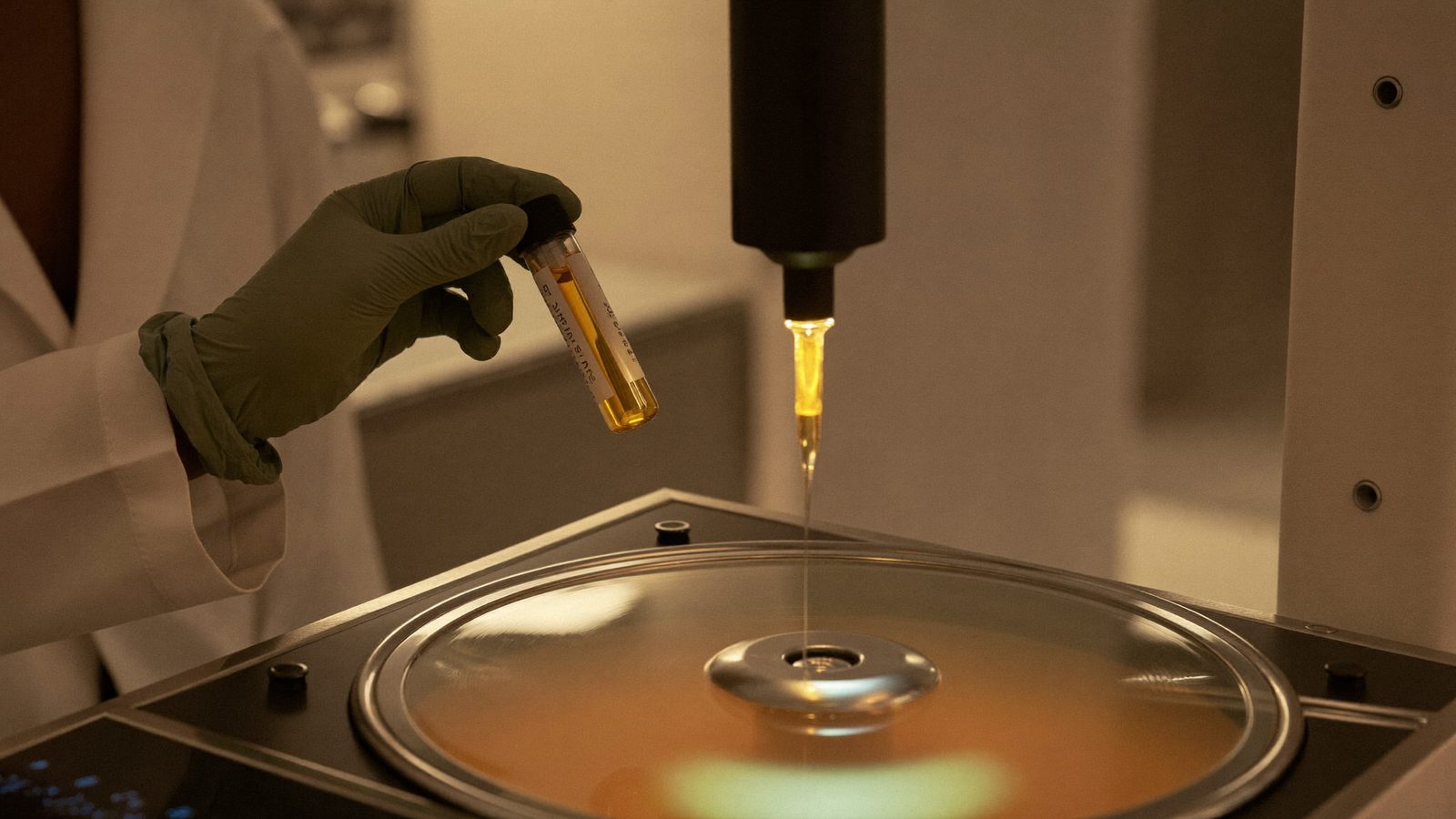
PRP starts with a simple blood draw, much like a routine lab test. The blood is spun in a centrifuge, which separates the platelets and concentrates them in a small amount of plasma. That plasma is then injected into the scalp with very fine needles after a local anesthetic.
Platelets release growth factors that play a role in tissue repair. In hair, the theory is that these signals support follicles that are weakening, encourage them to stay in the growth phase longer and may improve the thickness of existing hairs. Because PRP comes from your own blood, allergic reactions are very unlikely.
Why Combine PRP With a Transplant
A transplant moves permanent, DHT-resistant follicles into thinning areas. PRP works on a different problem: the native hair that is still present but weakening. Combining the two addresses both.
- Supporting native hair. Pattern hair loss usually continues around transplanted grafts. PRP may help slow thinning of that native hair, which keeps the overall result looking fuller.
- Reducing the impact of shock loss. Some patients notice temporary shedding of native hair after surgery. PRP is sometimes used to support recovery of those hairs.
- Supporting a healing scalp. Some clinics use PRP around the time of surgery with the aim of supporting healing, although evidence for this specific use is still developing.
- Women with diffuse thinning. Many women have thinning spread across a wide area. PRP can help the broader area while grafts are focused where they are most needed. At Nova Medical NYC, PRP is included with every female hair transplant.
When to Start PRP After a Hair Transplant
Timing depends on the goal, and your clinic will tailor it to you. These are common approaches:
| Timing | Main goal | Notes |
| Day of surgery | Support the scalp during healing | Offered by some clinics; evidence still developing |
| About 1 to 3 months after | Support native hair and recovery from shock loss | The scalp has healed and grafts are fully secure |
| 6 to 12 months after | Maintain native hair as the result matures | Often part of a long-term plan |
| A year or more after | Ongoing maintenance | Safe to start at any point once fully healed |
Patients often ask whether it is too late to start PRP a year or more after their transplant. It is not. Once the scalp has healed, PRP can be started at any time to support native hair.
How Many Sessions You Need
PRP is a course of treatment rather than a one-off. A common pattern is an initial series of sessions, often spaced about a month apart, followed by maintenance sessions every three to six months depending on how your hair responds. Each session takes roughly an hour from blood draw to injection. Your plan is set at consultation and adjusted over time.
Realistic expectations: PRP may reduce shedding and modestly improve the thickness of existing hair. It cannot regrow hair where follicles are gone, and results vary between people. It works best as part of a plan, not as a standalone cure.
What PRP Feels Like and Recovery
The scalp is numbed before the injections, so most people feel pressure rather than pain. Afterward the scalp may feel tender or tight for a day, with mild redness. Most patients return to normal activities the same day or the next. You are usually asked to avoid washing your hair for several hours and to skip strenuous exercise for a day or two.
PRP, PRF and Medication
PRF, or platelet-rich fibrin, is a related preparation that is spun differently and contains fibrin, which may release growth factors more slowly. Some patients choose it as an alternative to PRP; see our PRF page for how it compares.
PRP can also be combined with medication such as finasteride or minoxidil. Many patients use both: medication to reduce the hormonal driver of hair loss and PRP to support the follicles directly. Our guide to medication after a hair transplant explains the options and their side effects.
Who Is a Good Candidate
PRP after a hair transplant tends to make the most sense for patients who still have a meaningful amount of native hair around the transplanted area, patients with diffuse thinning, patients who experienced noticeable shock loss and patients who prefer a non-drug maintenance option. It is less useful where the scalp is completely bald, because there are no follicles to support. People with certain blood or platelet disorders, active scalp infections or some medical conditions may not be suitable, which is why a medical review comes first.
What a PRP Session Looks Like
A session starts with a small blood draw from the arm. While the blood is processed in the centrifuge, which takes several minutes, the scalp is cleaned and numbed. The concentrated plasma is then injected in a grid pattern across the thinning areas using fine needles. The whole visit usually takes about an hour, and most patients drive themselves home or return to work afterward.
You may be asked to avoid anti-inflammatory painkillers for a few days around the session, because they can interfere with platelet function, and to arrive well hydrated, which makes the blood draw easier. Only do this with your physician's approval if you take these medications for a medical reason.
Measuring Whether PRP Is Working
Because PRP works gradually, judging it by the mirror alone is difficult. Standardized photos taken in the same lighting and position before treatment and every few months afterward give the clearest picture. Many patients first notice less shedding in the shower or on the pillow, then gradually thicker-feeling hair. If you see no change after an initial series of sessions, your plan should be reviewed rather than simply repeated.
Cost and Value
PRP is priced per session or as a package of sessions, and the total cost depends on how many treatments your plan needs. At Nova Medical NYC, PRP is included with every female hair transplant. For men and for standalone PRP, your consultation includes a session plan and pricing in writing, and you can see how it fits alongside a transplant on our hair transplant cost page.
Who Should Avoid PRP
PRP is not suitable for everyone. People with platelet or bleeding disorders, those on certain blood-thinning medications that cannot be paused, people with active infections or cancer, and pregnant women are usually advised against it. A medical review before your first session confirms whether it is safe for you.
Common Myths About PRP
"PRP regrows hair on bald areas." It cannot. PRP supports follicles that are still present. Bald areas need a transplant.
"One session is enough." PRP works as a course of treatment, usually an initial series followed by maintenance sessions.
"Results are immediate." Changes are gradual, often noticeable as reduced shedding first and improved thickness over several months.
"PRP is risky because it uses injections." Because PRP comes from your own blood, the risk of reaction is very low. Side effects are usually limited to temporary tenderness, redness or mild swelling.
Keeping Your Result for the Long Term
The transplanted hair itself is permanent, but the look of fullness depends on the hair around it. PRP is one of several tools for protecting that. To understand the bigger picture, read our guide to how long a hair transplant lasts, and see the full aftercare plan on our hair transplant recovery page.
Ask Whether PRP Fits Your Plan
At a free assessment, Dr. Val Prokurat, MD reviews how much native hair you have to protect and whether PRP, medication or both make sense alongside your transplant.