
Hair Transplant Recovery NYC
Navigating Hair Transplant Recovery
Hair transplant recovery in NYC is usually quicker and easier than patients expect. Are you contemplating a hair transplant but unsure about the specifics of the procedure or whether it’s the right choice for you? In NYC, the recovery from hair transplant surgery has become more streamlined, contributing to its increasing popularity.
Hair thinning is a common issue, and the straightforward nature of the recovery from hair transplant surgery is a key factor in its rising appeal. The recovery process varies from person to person and depends on the specific method used. Generally, the initial recovery period lasts about 7 to 10 days, during which you might experience some minor discomfort and swelling. Although this phase is quite manageable, it’s crucial to understand that the full results of a hair transplant will gradually emerge over the months following the procedure as the transplanted hair starts to grow in.
Our specialists will closely monitor your progress to ensure that your healing is on track. It’s important to remember that the first few days after a hair transplant are crucial for the success of the procedure. Following our instructions carefully and taking good care of yourself during this time is key to achieving the best possible results.
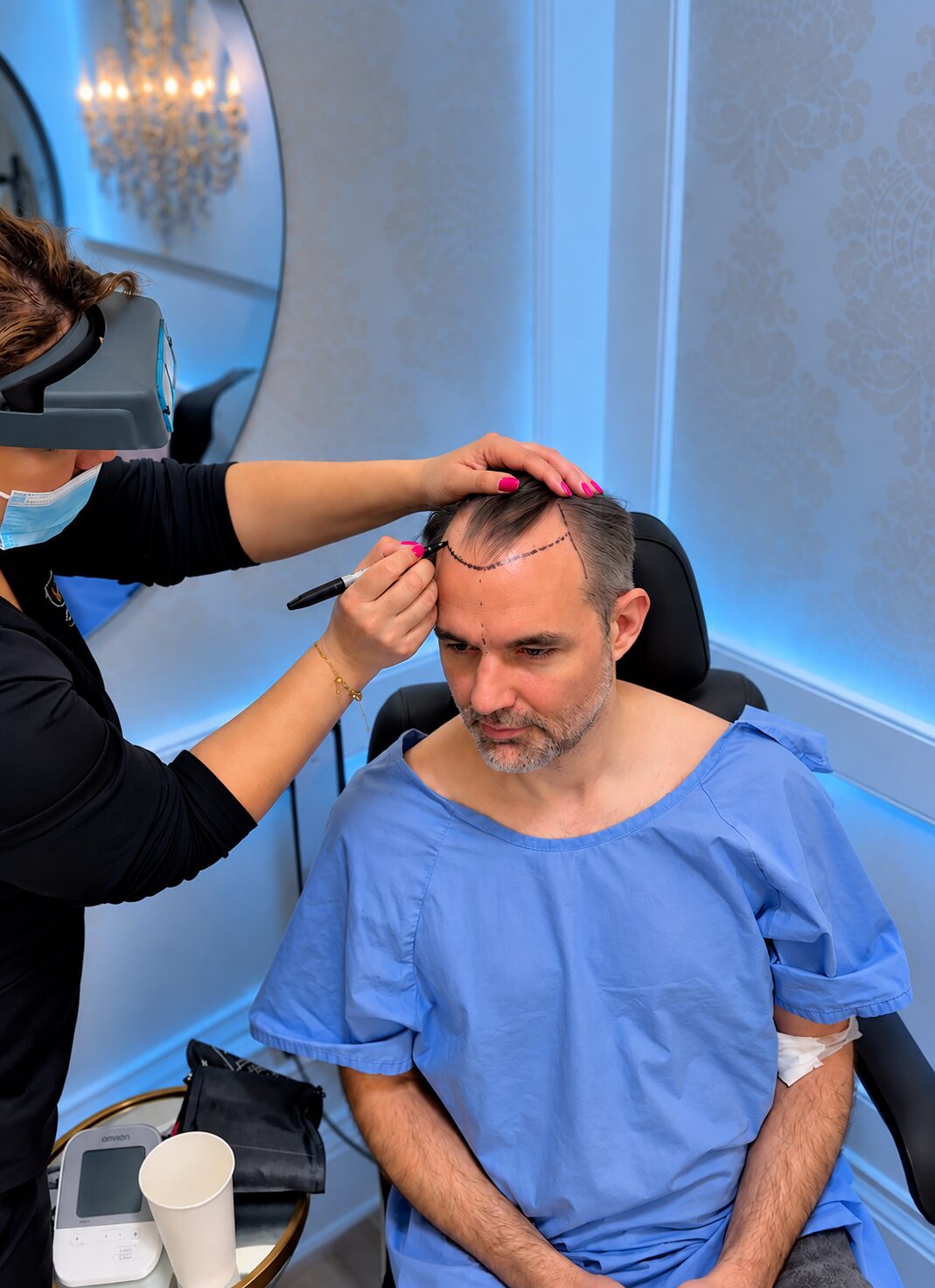
Before & After Gallery
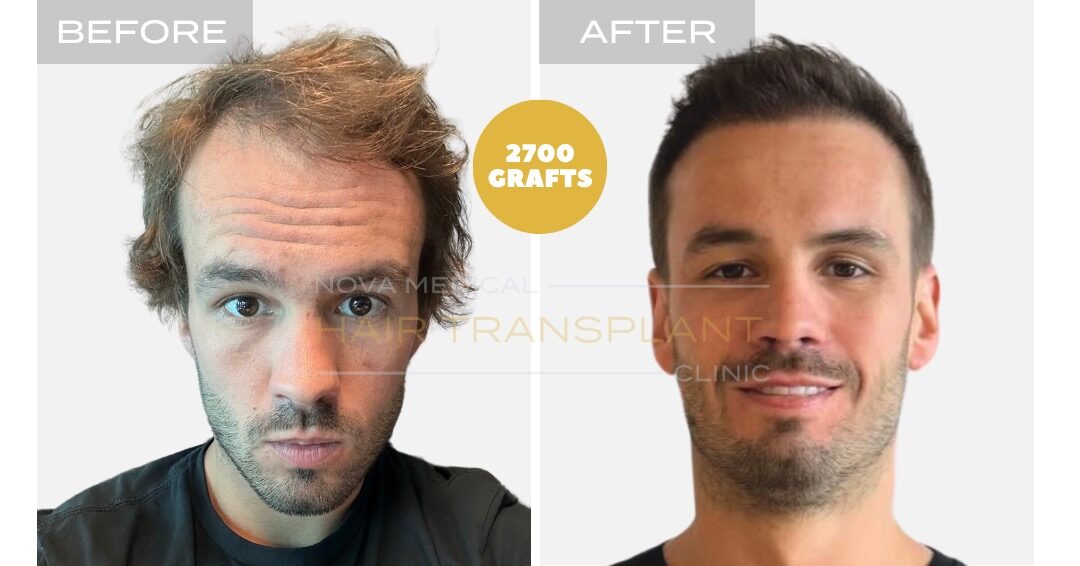
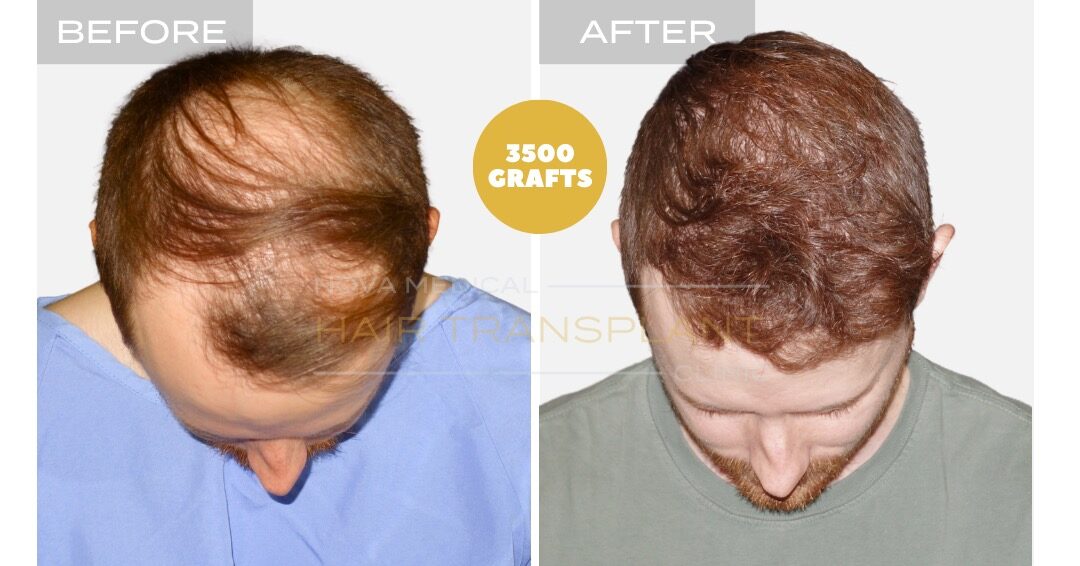
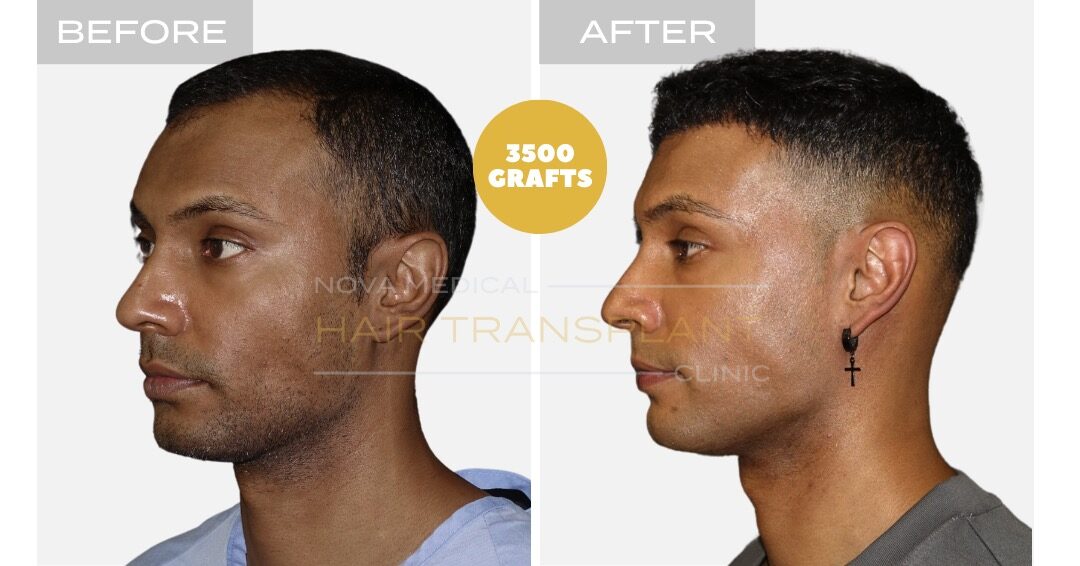
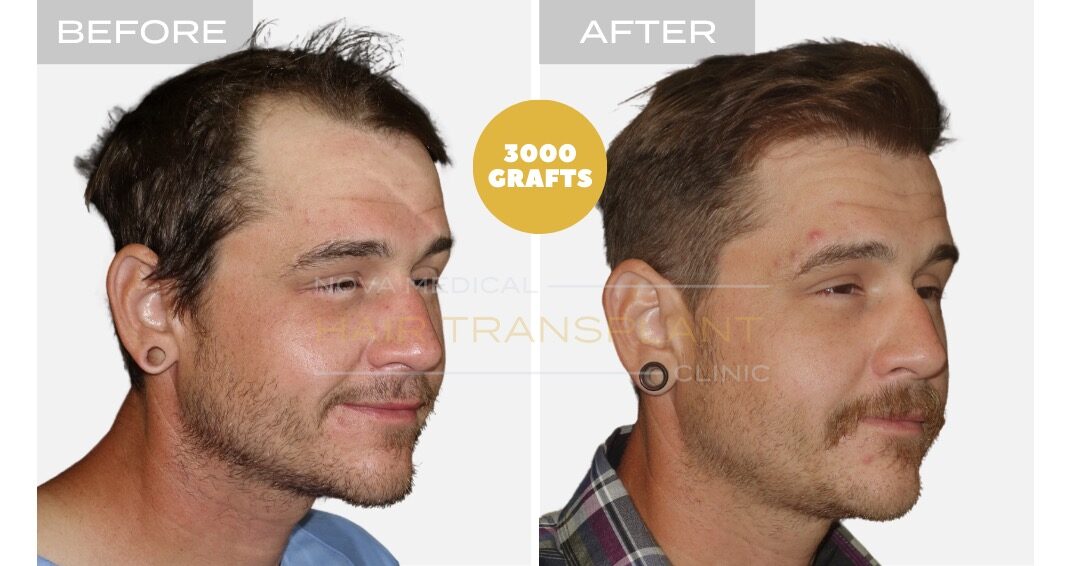
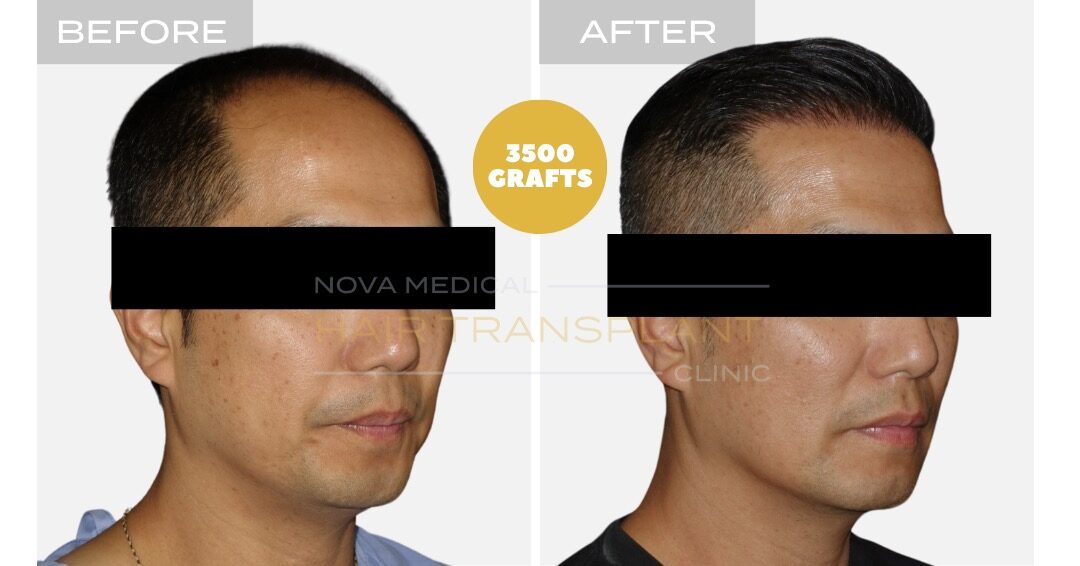
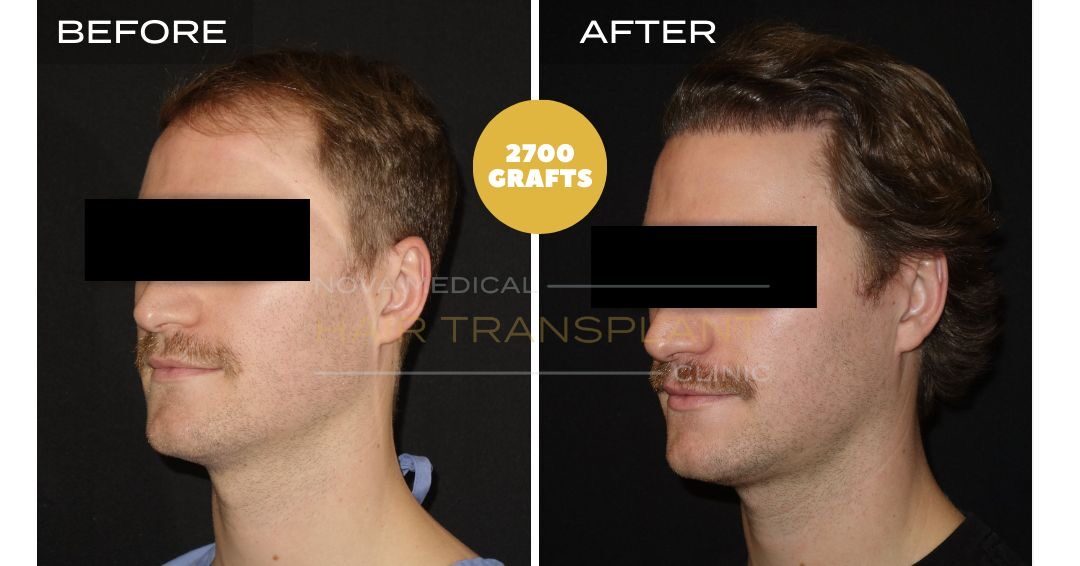
Your Recovery Week by Week
Knowing what is normal at each stage makes recovery less stressful and helps you give your scalp the right care at the right time.
The day after your hair transplant in NYC, experiencing some mild discomfort and swelling in the scalp area is typical. You may also notice some light scabbing or crusting around the transplanted hair follicles. Our team will provide you with detailed guidance on how to care for your scalp following the procedure. This might include avoiding hot showers or baths, using a gentle shampoo for cleansing, and steering clear of activities that could affect the treated area.
It’s generally recommended to refrain from rigorous physical activities like heavy lifting or intense exercise for a certain period. At Nova Medical Hair Transplant, we place great importance on your recovery journey and maintain constant communication before and after your surgery.
One week into your hair transplant recovery, you’ll start to notice the healing advancements. However, it’s crucial to keep in mind that this is a gradual process. By this time, any initial swelling or discomfort typically lessens, and the scabs or crusts around the follicle sites are likely to loosen and shed.
Our professionals at Nova Medical Hair Transplant will most likely recommend that you use a mild shampoo for scalp care. It’s equally important to resist the urge to scratch or pick at the scabs, as doing so can interfere with the integrity of the new grafts. Engaging in activities that might induce sweating or put the scalp at risk of injury should also be avoided. It’s not uncommon for some patients to notice hair shedding at this stage; rest assured, this is an expected phase of the recovery process and is not indicative of any complications.
At the one-month milestone following your hair transplant, you’re likely to witness the initial stages of new hair emergence, which can be quite encouraging. The grafts are settling into their new environment, and you might feel some itchiness or a sense of sensitivity on your scalp. This stage still requires you to adhere closely to the guidelines provided by our specialists, which typically includes the continued use of a gentle shampoo, refraining from scratching or disturbing the scalp, and avoiding any activities that may lead to sweating or potential impact to the scalp area. Protecting your scalp from prolonged exposure to sunlight may also be advised, possibly by wearing a hat when outdoors.
Hair shedding during this phase is a normal occurrence as the new follicles undergo a transition. It’s a sign that the new growth cycle is beginning. By maintaining diligent scalp care and following the post-operative instructions from your expert, you’re setting the stage for optimal growth results, paving the way for a denser, more vibrant head of hair in the forthcoming months.
Coverage and density are clearly visible now, and the new hairs keep getting thicker as they blend with the hair around them.
As the one-year anniversary of your hair transplant arrives, you’re likely to celebrate considerable improvements with significant new hair growth and a more voluminous head of hair. The transplanted follicles will have completely settled in their new environment and will be actively sprouting robust, healthy strands. Additionally, you should observe that any scarring or redness around the transplant site has substantially diminished. This is the time to relish the full advantages of your hair restoration procedure, showcasing a restored, naturally appearing hairline that can significantly enhance your confidence and self-image. The outcomes of a hair transplant are designed to be enduring; nevertheless, ongoing care for your scalp and hair is crucial to preserving these results for years to come.
Your Hair Back?
Natural hair is the crown you never take off.
Request a Free Consultation
No obligation • Same-week availability
What TO Do
- Read and follow every written aftercare instruction from our NYC team
- Sleep with your head raised at about 45 degrees for the first three nights to limit swelling
- Take every prescribed medication, including antibiotics and pain relief, exactly as directed
- Start gentle washing after day three, using the method our nurse shows you
- Wear a loose, soft hat outdoors from week two to shield your scalp from the sun
- Drink plenty of water and eat well to support healing and graft survival
- Let scabs fall away on their own instead of picking or scratching them
- Keep every follow-up appointment so we can check and record your progress
What NOT To Do
- No hard workouts, heavy lifting or cardio for at least two weeks
- No swimming in pools, the ocean or hot tubs for at least four weeks
- No long periods in direct sun for four weeks, as UV light can harm new grafts
- No alcohol for at least one week, since it thins the blood and slows healing
- No smoking during recovery, because nicotine reduces blood flow to the grafts
- No touching, rubbing or scratching the grafted area for two weeks
- No tight hats, helmets or headwear that press on the grafts for three weeks
- No hair dye, chemical treatments or bleaching for at least six weeks
Your Growth Milestones
A simple overview of the milestones most patients reach on the way to their final result.
Day 0-14
Grafts Establish & Anchor
Week 2-4
Initial Shedding (Shock Loss)
Month 3-4
New Growth Begins
Month 6-8
Significant Density Achieved
Month 9-18
Full Results Visible
Understanding Shock Loss
Two to four weeks after surgery, most of the transplanted hairs fall out. This shock loss is a normal part of healing, not a sign of failure: the hair shaft sheds, but the follicle underneath stays alive and firmly rooted.
Think of it as a pause before regrowth. After the stress of being moved, the follicles rest for a few months, then start producing new permanent hair at around three to four months. Seeing this shedding actually means your recovery is on schedule.
Regarding Medication and Supplements After a Hair Transplant
An often-overlooked aspect post-transplant is the effect of certain supplements and medications on your recovery. Common substances like ginseng, garlic supplements, and omega-3 fatty acids, known for their health benefits, can unexpectedly increase bleeding risks due to their blood-thinning properties. The same applies to various anti-inflammatory medications.
If there’s no compelling medical necessity, you’ll be advised to pause these temporarily.
Transparency with your surgeon regarding all substances you consume is vital so they can evaluate any risks and provide guidance on the best practices for a safe recovery period.
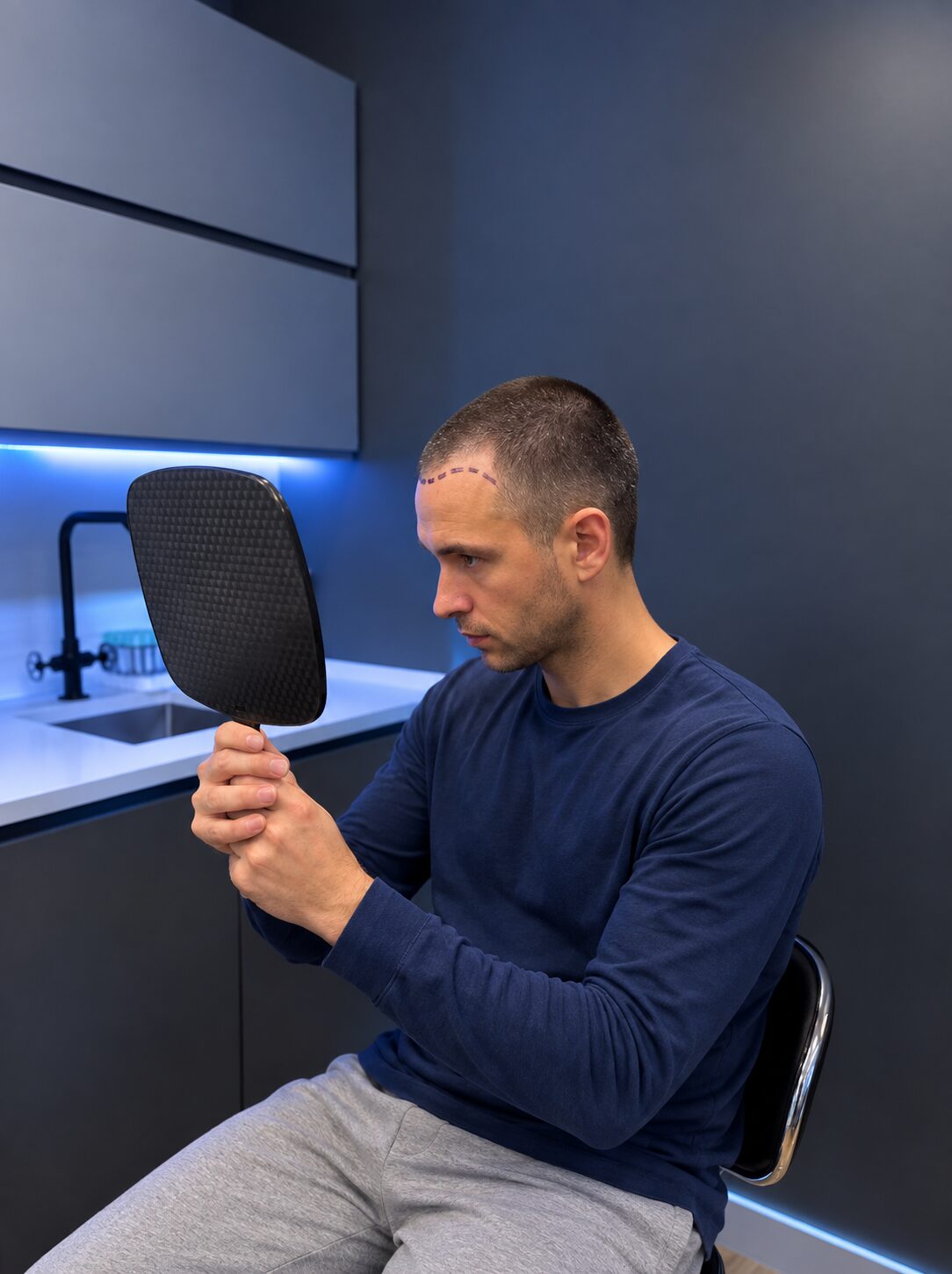
Aftercare: What to Follow
Medications: With our advanced microsurgery techniques, the risk of infection is very low. Nonetheless, as a precaution, you will be prescribed antibiotics.
Protecting Your Scalp from the Sun: During your recovery from a hair transplant, especially in the summer or if you live in a warm climate, it’s crucial to protect your scalp from the sun. We recommend wearing a loose, comfortable hat when outside for the first two weeks, and regularly applying sunscreen throughout the year.
Gentle Hair Care: After your surgery, to avoid putting strain on the delicate grafts, your surgeon will likely suggest using a spray-on shampoo instead of traditional washing methods. Gentle washing with clean water can begin a few days post-surgery, but avoid vigorous scrubbing or touching the graft area. Consider using specialized hair growth shampoos and conditioners, like Revivogen Bio-Cleansing Shampoo and Thickening Conditioner, for safe and nourishing scalp care.
If you have any concerns or questions about the recovery process after a hair transplant, don’t hesitate to contact us. Our expert team in NYC is here to support you from the initial consultation through to your recovery and beyond. Understanding that each patient’s situation is unique, we work closely with you to develop a treatment plan tailored to your specific goals and needs. Schedule a consultation with us today to learn more about how we can help you achieve a full, healthy head of hair.
How to Prepare for Your Procedure
-
1
Medications & Supplements
Some medications and supplements raise the risk of bleeding. Unless your doctor says otherwise, avoid them before surgery; we will send you specific guidance in advance.
-
2
Avoid Hair Dye Beforehand
If you typically color your hair, it’s recommended to pause this practice a week or two before the procedure and for 6 to 8 weeks afterward. In NYC, we advise hair restoration clients to opt for gentle and safe hair coloring products, but only after receiving the green light from their surgeon. Your surgeon will also provide both general and specific guidelines based on your health, the details of your procedure, and your individual needs. You might receive additional instructions as well.
-
3
Scalp Preparation
On the morning of your procedure, wash your hair thoroughly unless we have told you otherwise, so your scalp is clean when you arrive.
Nova Medical's Board of Surgeons
Experienced surgeons with real, verifiable credentials stand behind every recovery and aftercare plan.
Dr. Jeffrey Spiegel
Boston, USA - Facial plastic surgeon and founder of The Spiegel Center, known internationally for his work in facial aesthetics and hair restoration.
Dr. Val Prokurat
New York, USA - Dr. Val Prokurat, MD, leads hair restoration at Nova Medical's NYC clinic, with a focus on carefully planned, natural-looking results.
Dr. Adam Rubinstein
Florida, USA - Plastic surgeon certified by the American Board of Plastic Surgery, with advanced training in aesthetic plastic surgery.