
Beard Transplant NYC
Facial Hair Transplant and Beard Transplant Overview
A beard transplant in NYC can give you the fuller, more defined facial hair you want. Every individual has a unique style preference for their facial hair, whether it’s sideburns, a mustache, a goatee, or simply a casual stubble. However, achieving the desired facial hair style can be a challenge if one faces issues like sparsity or thinning, which may arise due to injury, burns, surgical interventions, or genetic factors.
In the past, limited solutions might have meant accepting these hair loss conditions. But today’s advances in hair transplantation have changed the landscape. It’s now possible to attain thick, natural-looking facial hair that can be groomed to your preference.
Our clinic stands at the cutting edge of hair transplant technology, proudly offering premier facial hair transplants in NYC and the surrounding areas. We specialize in hair restoration, focusing on facial hair implants, providing you with the assurance of expertise in treating hair loss. The facial hair transplant is known for its minimal risks, offering a safe solution for enhancing or restoring facial hair growth.
For those interested in exploring their options for a fuller, styled facial hair look, we invite you to contact our clinic. Whether you have questions or wish to book a consultation, our team is ready to assist you in taking the next steps towards your facial hair goals.
A beard transplant in NYC follows a similar protocol to that of traditional hair grafting, commonly utilized to counteract hair loss on the scalp. In this process, hair follicles are harvested from a designated donor site on the scalp and meticulously grafted onto the facial regions desiring enhancement. These transplanted follicles then acclimatize to their new environment, flourishing to form the facial hair you desire.
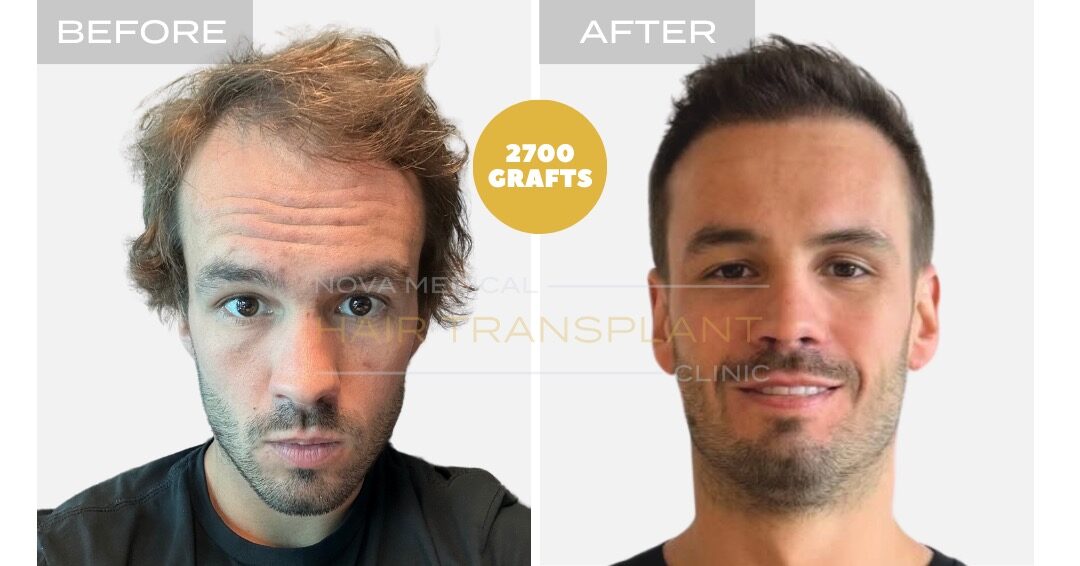
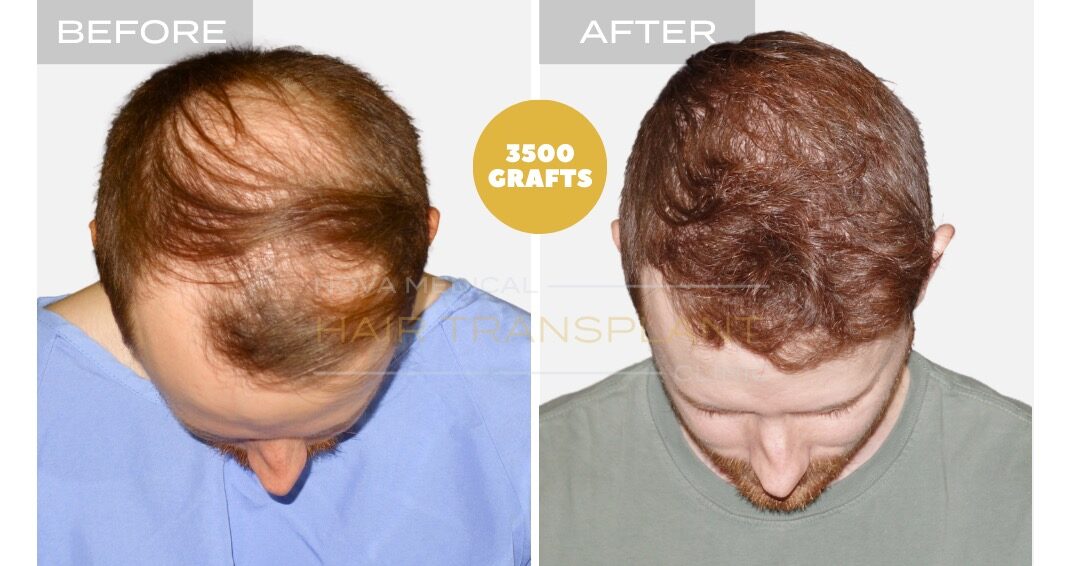
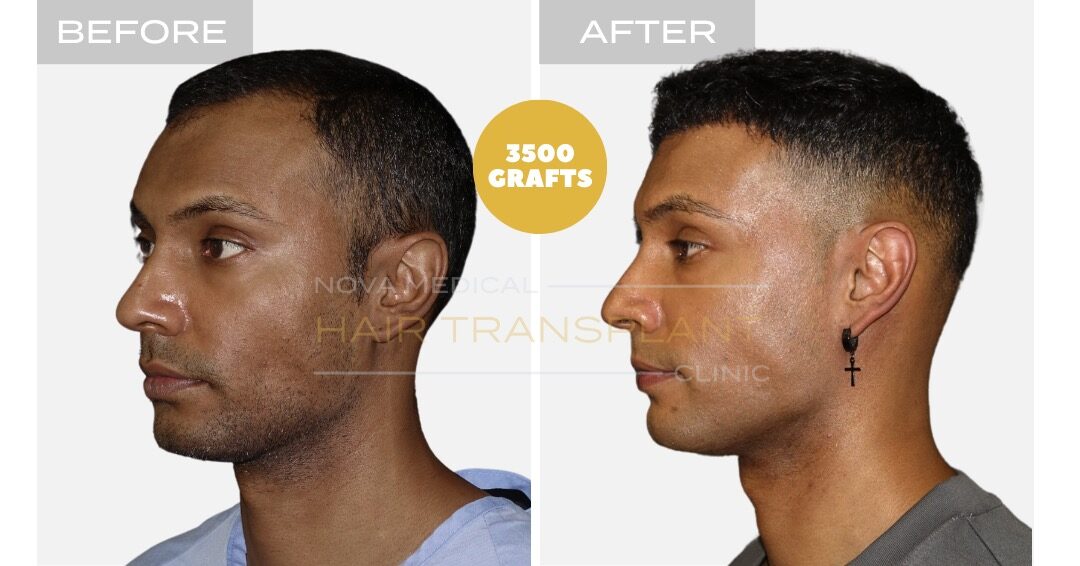
Before & After Gallery
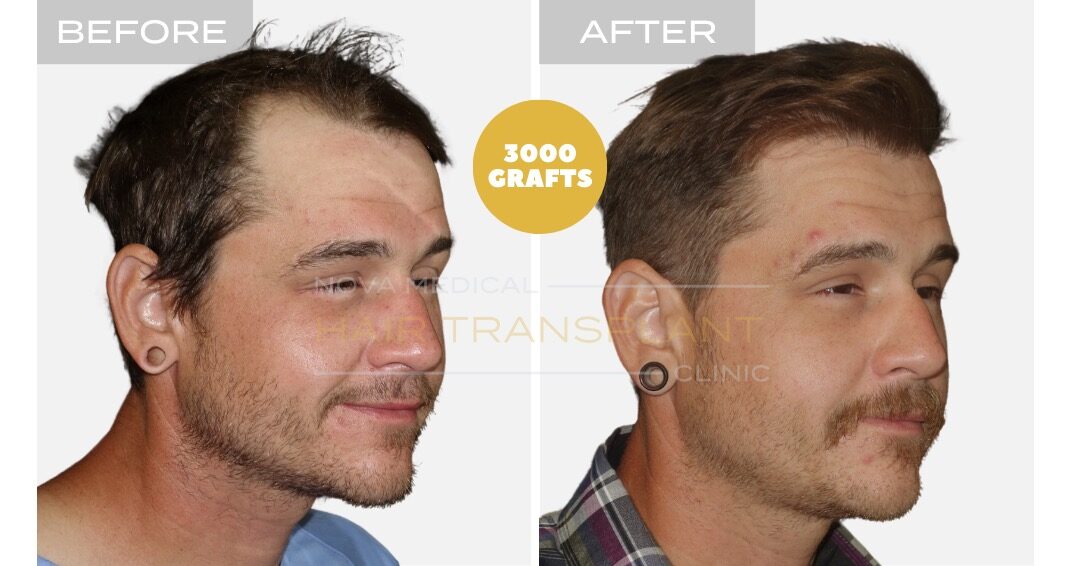
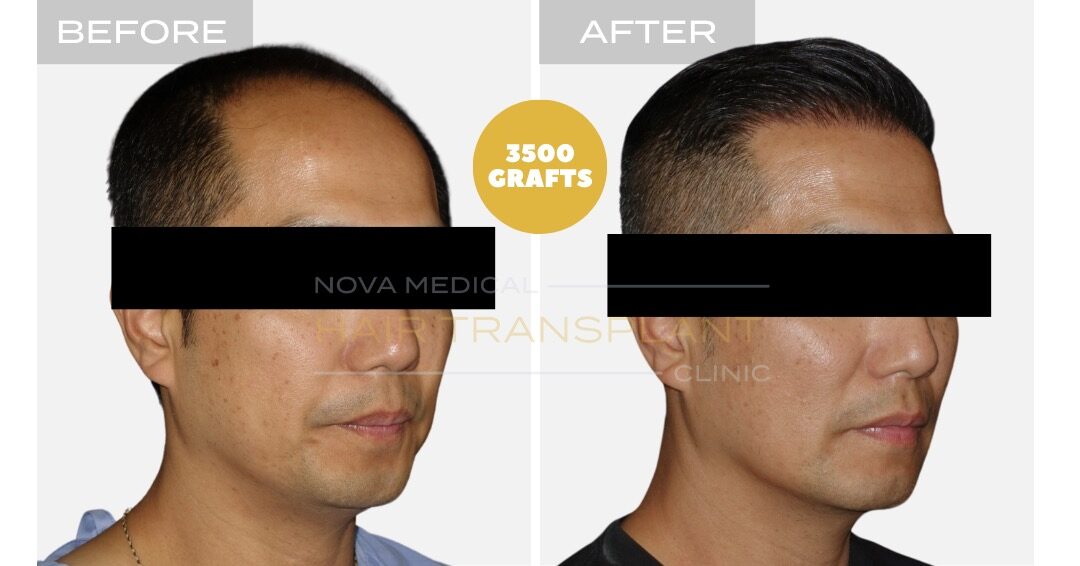
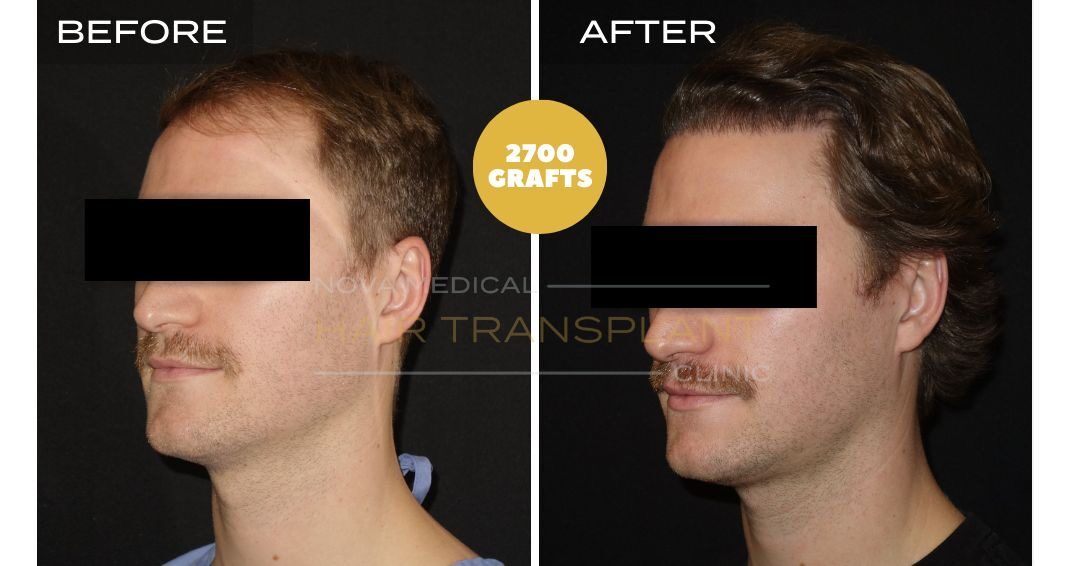
The Facial Hair Transplant Procedure
-
1
Free Consultation & Design
Your path to improved facial hair starts with an in-depth consultation with our medical professionals. Our experienced surgical team will take the time to fully grasp your goals and commit themselves to achieving your desired results.
-
2
Donor Area Preparation
We’ll apply local anesthesia with precision to the area where the hair follicles will be taken, typically from the back of the head. In cases of significant hair loss, we may also harvest follicles from the chest.
-
3
FUE Extraction
Our medical team boasts proficiency in the Follicular Unit Extraction (FUE) technique, a premier method for hair transplants in the industry. We aim to deliver transplants that look natural, providing a thick, long-lasting hair result, all while ensuring the process leaves minimal scarring and demands only a brief period for recovery.
-
4
Artistic Implantation
Our hair transplantation procedure commences once the hair follicles are meticulously prepared. Our surgeon and surgical team, dedicated to precision, take the necessary time to ensure that each follicle is positioned to mimic natural growth meticulously. This includes careful consideration of hair density and the direction of growth.
-
5
Recovery & Growth
Hair Shedding and Regrowth: Initial shedding of transplanted hair is expected within the first two months. Permanent regrowth begins around 3 to 4 months post-procedure. Permanence: The transplanted hair is permanent and blends seamlessly with existing facial hair.
Beard Transplant Cost
The price of a beard transplant in NYC depends mostly on how many grafts your design needs. Filling the cheeks, mustache, chin and jawline for a full beard typically takes 1,500 to 3,500 grafts, while a mustache or goatee on its own may need only 500 to 800.
Some men want a complete beard; others only need a single thin patch filled or a sharper jawline. Those are very different procedures, so we price each one around your face and your goals instead of offering a one-size package.
Payment plans are available, and your free consultation ends with a written graft estimate and a clear explanation of what your plan includes. There is no pressure to book that day.
Patients come to our Upper East Side clinic from all five boroughs and beyond, and every one of them gets the same honest assessment of what their donor hair can support before we talk numbers.
Request a Free Consultation
No obligation • Same-week availability
How Long Does a Beard Transplant Take?
Procedure Duration: The facial hair transplant, including beard transplants, is completed within 2 to 6 hours based on the complexity and coverage required. Comfort: Local anesthesia is administered for a pain-free experience during the transplant.
Outpatient Service: Patients undergo the procedure on an outpatient basis, ensuring they can return home on the same day. Quick Recovery: Normal activities or work can typically be resumed the day after the procedure.
The treatment room is quiet and private, and most patients say the session passes far faster than they expected.
Beard Areas We Treat
The scope of facial hair transplantation encompasses a variety of enhancements, suitable for:
- Refined augmentation of sideburns
- Improvement of uneven or sparse beard density
- Limited moustache density
- Goatee and chin coverage
- Gaps in the middle of the beard
- Thin growth across the cheeks
- A crisper jawline and neckline
Common Reasons for a Beard Transplant
Men come to us for many different reasons, but most fall into one or more of these four groups.
Patchy or Sparse Beard
Many men inherit a beard that grows in thin or uneven no matter how long they wait. Transplanted follicles fill those gaps permanently.
Post-Scar Coverage
Scars from injuries, surgery, burns or skin conditions can leave patches where no hair grows. Placing grafts into the scar tissue restores growth and helps disguise the mark.
Full Beard Growth
Hormones, genetics or certain medical conditions can prevent a full beard from ever developing. A transplant gives you the beard that never came in on its own.
Beard Shaping & Definition
Even with a reasonable beard, some men want thicker coverage, crisper cheek lines or a more defined jaw. Targeted grafting can sharpen the shape.
Arrange a Consultation
For further information on our meticulously hand-harvested, individually customized hair restoration services, please reach out to us. We invite you to book a private consultation with our specialist. In this session, our expert will devise a tailored strategy to fulfill your goals for the facial hair transplant procedure.
Book a Private Consultation
No obligation • Same-week availability
Are You a Candidate for Beard Transplant?
Every plan starts with a look at your face shape, the style you want and the donor hair available to create it. Beard transplants are usually a good fit for men with:
- Thin, patchy or uneven facial hair
- Sideburns that are sparse or do not connect to the beard
- A mustache with gaps or low density
- Scars or patches where beard hair has stopped growing
During your consultation, your expert will carefully assess potential donor areas to identify the number of follicles available for transplantation. This thorough evaluation forms the basis of a customized surgical plan, tailored to meet your specific aesthetic goals. Your medical expert will also address any possible limitations during the consultation, ensuring a realistic and collaborative planning process for your hair transplant surgery.

Natural-Looking Beard Transplant Results
Our team stands out not only for their expertise in hair transplantation but also for their proficiency in beard hair transplant procedures. This unique combination of skills is the result of our surgeons’ extensive training and experience in both areas, positioning them at the forefront of the field.
The precision of our technique is critical. We place each follicle with meticulous care, ensuring it’s at the right location and angle for natural growth and integration with your existing facial hair. Our aim is to create a result that looks as natural as your own hair. Adhering to our stringent standards, we ensure each procedure is performed with the utmost accuracy and care.
Our team's thoroughness and exceptional attention to detail have earned us a distinguished reputation as some of the finest facial hair transplant providers in the region. The dedicated effort we invest in the transplantation phase significantly elevates the quality of our work.
Our clinic is driven by a commitment to achieving outstanding results, making us a leading name globally. From your first consultation to your final follow-up, our goal is to exceed your expectations. This dedication to excellence has established our beard transplant team as one of the top providers in NYC for high-quality facial hair transplants.
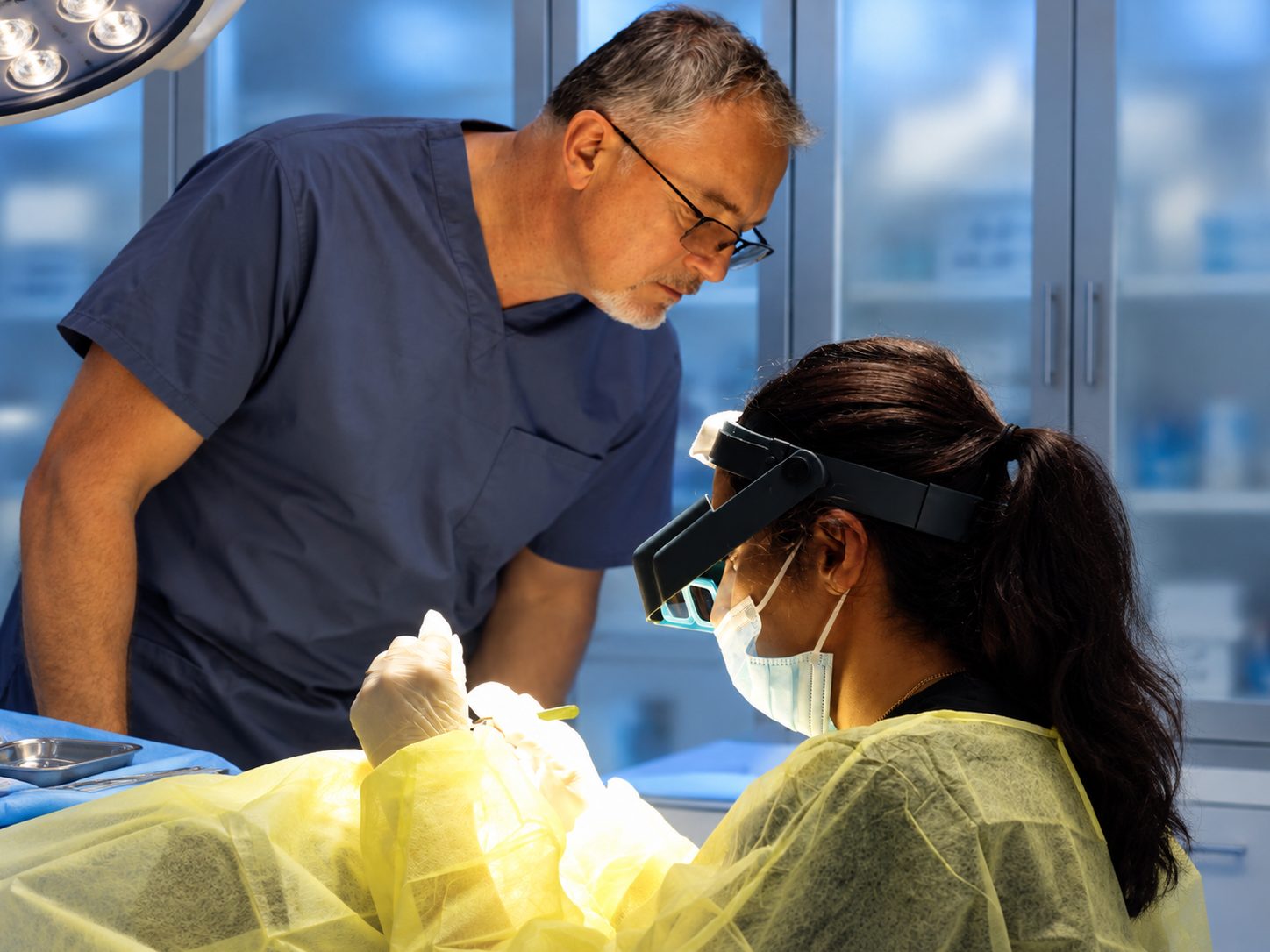
Every beard transplant at our NYC clinic is overseen by Dr. Val Prokurat, MD, whose eye for facial balance keeps each result looking refined rather than overdone.
Our clinic’s primary goal is to provide first-class facial hair transplantation services to our clients in NYC. Our expert’s detailed and exceptional approach has earned us a wealth of satisfied patients, who are a testament to our skill and commitment.
Medical History & Pre-Operative Instructions
-
1
Medical History Review
Before your surgery, we’ll conduct a comprehensive assessment of your overall health, including a review of any existing medical conditions like asthma or hypertension. It’s important that you fully disclose all health issues to our team, even those that might seem unrelated to the procedure. This information helps us tailor the surgery to your specific needs and ensure your safety throughout the process.
-
2
Medications & Supplements
Alcohol: Abstain from alcoholic beverages one week prior to the operation. Medications: Avoid NSAIDs (Advil) and over-the-counter medications that might increase bleeding, complicating grafting. Supplements: Refrain from consuming supplements and natural products like Gingko Biloba, Vitamin E, Echinacea, and garlic.
-
3
Final Instructions
Medication Protocol: Adhere to the pre-surgery medication regimen prescribed by your surgeon, including pain relievers, antibiotics, and anti-swelling medications, following all directions for dosage and frequency.
Beard Transplant Recovery Timeline
- Day 1
You go home the same day. Mild swelling, redness and tiny scabs around the grafts are normal during the first night.
- Days 3–5
Most men are comfortable returning to work and social plans by now, as long as they follow the aftercare guidelines they were given.
- Days 7–10
The small extraction sites on the scalp have usually healed, and any remaining redness on the face continues to fade.
- Weeks 2–4
Expect many of the new beard hairs to fall out. This shedding is temporary, and the follicles beneath the skin remain healthy.
- ~Month 3
The first new hairs break through. Growth can look uneven at first and fills in as more follicles become active.
- Month 6
Most patients see a clear difference by six months, with density still increasing.
- Months 9–12
Your beard reaches its final, permanent result and can be trimmed, shaved and styled like the rest of your facial hair.
The Day of Your Beard Transplant Procedure
On your procedure day, our clinic’s staff is committed to making you feel comfortable and at ease in the surgical area. We’ll give you plenty of time to bring up any last-minute questions or concerns about the surgery or what to expect during recovery.
We’ll apply local anesthesia with precision to the area where the hair follicles will be taken, typically from the back of the head. In cases of significant hair loss, we may also harvest follicles from the chest.
After extracting the donor follicles, our team will take great care in preparing them for the transplant. This process is detailed and time-intensive, allowing you a chance to have lunch, check emails, rest, or even nap. For a better understanding of what to expect, we encourage you to read through the experiences and reviews of our past patients, available on our clinic’s listing.
Post-surgery, it is common to experience some soreness at both the donor and transplant areas. This discomfort is temporary and should subside within a few days.