
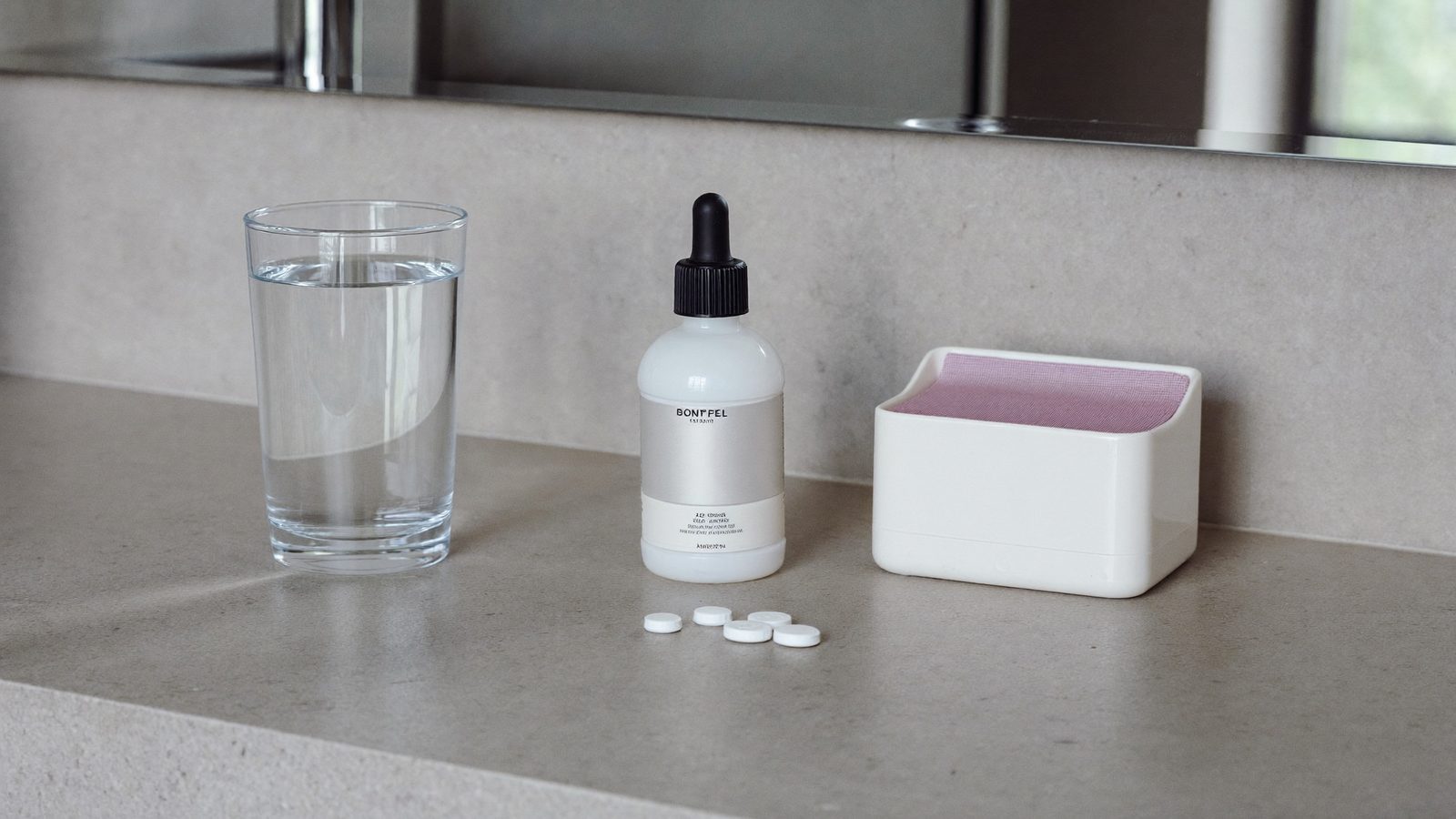
Medication after a hair transplant falls into two groups. The first is short-term: what helps you stay comfortable, control swelling and heal well in the first days. The second is long-term: treatments such as finasteride and minoxidil that protect the native hair around your transplant so your result stays full for years. Many patients focus only on the first group, but the second often matters more for how your hair looks a decade from now.
This guide explains both. It is general information, not a prescription. Every medication decision should be made with a physician who knows your medical history, and at Nova Medical NYC your plan is reviewed by Dr. Val Prokurat, MD.
Short-Term Medication: The First Week
The exact list varies by clinic and patient, but these are the categories most people encounter in the first days after surgery.
| Type | Purpose | Typical duration |
| Pain relief | Manage tightness and soreness in the donor and recipient areas | A few days, often only the first two or three |
| Anti-swelling medication | Reduce forehead swelling in some patients | Short course, if prescribed |
| Antibiotics | Lower infection risk in selected cases | Short course, if prescribed |
| Antihistamine | Ease itching and help sleep | As needed, if recommended |
| Saline or prescribed spray | Keep grafts moist and clean | First several days |
Most patients describe the pain as mild to moderate and find it well controlled. Take only what your clinic recommends, and ask before using anything else, because some common painkillers and supplements can thin the blood and increase bleeding in the first days. The hair transplant recovery page lists what to avoid before and after surgery.
What to Avoid Around Surgery
Before surgery your full medication list is reviewed. With your prescribing physician's approval, patients are commonly asked to pause blood-thinning medication and supplements such as high-dose fish oil, vitamin E, ginkgo and garlic supplements for a period beforehand. Alcohol is usually avoided for several days before and after. Never stop a prescribed medication without speaking to the doctor who prescribed it.
Why Long-Term Medication Matters
A transplant moves DHT-resistant follicles to thinning areas, and those transplanted hairs are permanent. But the native hairs around them are not. If pattern hair loss continues, the hair between and behind your grafts can keep thinning, leaving the transplanted area looking less full or even isolated over time.
Long-term treatment aims to slow or stop that progression. It is one of the most effective ways to protect the investment you have made in your hair, and it can reduce the chance of needing a second procedure. Our guide to how long a hair transplant lasts explains why maintenance matters.
Finasteride
Finasteride is a prescription tablet that reduces the conversion of testosterone to DHT, the hormone that drives pattern hair loss. In many men it slows or stops further loss and can partly thicken miniaturized hair. It is typically taken daily and works only while you take it.
Most men tolerate finasteride well, but a small percentage experience side effects, most commonly sexual side effects, and these and other possible effects should be discussed with a physician before starting. Finasteride is not used by women who are pregnant or may become pregnant, because it can affect a male fetus. Some men also discuss topical finasteride or dutasteride, a related medication, with their doctor.
Many surgeons recommend starting finasteride before surgery, if appropriate, and continuing after. Whether and when to restart after the procedure is something your surgeon will advise on.
Minoxidil
Minoxidil is a topical solution or foam, and sometimes a low-dose oral tablet prescribed off-label, that is thought to work by improving blood flow to follicles and lengthening the growth phase. It can help both men and women. Like finasteride, it works only while you use it.
Topical minoxidil is usually paused around surgery and restarted once the scalp has healed, often after about two weeks, as directed by your clinic. Some people notice temporary shedding when they first start, which usually settles. Possible side effects include scalp irritation and, rarely, unwanted hair growth elsewhere on the face.
Do not restart topicals too early: applying minoxidil, shampoos or other products to fresh grafts can irritate the healing skin. Wait for your clinic to confirm when the recipient area is ready.
Treatments for Women
Women with female pattern hair loss most often use minoxidil. Other options, such as anti-androgen medications, are prescribed in specific cases after a medical review, sometimes alongside blood tests to check iron, thyroid function and hormones. Finasteride is generally not used in women of childbearing potential. Our female hair transplant page explains how medical treatment and surgery fit together for women.
PRP as a Non-Drug Option
Some patients prefer to avoid daily medication or want an extra layer of support. PRP treatment uses platelets concentrated from your own blood and injected into the scalp to support weakened follicles. It is not a replacement for medication in every case, but many patients use it alongside or instead of drugs. Our guide to PRP after a hair transplant explains timing and expectations.
Shock Loss and Medication
Some patients experience temporary thinning of native hair around the grafts in the weeks after surgery, known as shock loss. It is more likely where hair is already weak and miniaturized. Being established on medication before surgery may reduce it, and in most cases the hair recovers within a few months. The full sequence of shedding and regrowth is explained in our day-by-day recovery guide.
A Typical Medication Timeline
| Timing | What usually happens |
| Weeks before surgery | Medication list reviewed; blood thinners and certain supplements paused only with your prescriber's approval; finasteride sometimes started if appropriate |
| Day of surgery to day 3 | Short-term pain relief and any prescribed anti-swelling or preventive medication |
| Days 3 to 14 | Antihistamine for itching if recommended; no topical products on the grafts |
| Around week 2 or later | Topical minoxidil often restarted once the scalp has healed, as directed |
| Months 1 to 12 | Long-term medication continued; PRP added if part of the plan |
| Beyond 12 months | Ongoing maintenance reviewed at follow-up visits |
Supplements and Hair Products
Many patients ask about biotin, collagen and hair vitamins. For most people with a balanced diet, these supplements make little difference to pattern hair loss, although correcting a genuine deficiency, such as low iron or vitamin D, can help hair health. High-dose biotin can also interfere with some blood tests, so tell your doctor if you take it. Medicated shampoos containing ketoconazole are sometimes recommended for scalp health once the grafts are secure. As with any product, ask your clinic before using it in the first weeks after surgery.
Questions to Ask Your Doctor
- Which medications should I pause before surgery, and who confirms it is safe to do so?
- What will I take in the first few days, and for how long?
- When can I restart minoxidil or other topical treatments?
- Is finasteride, minoxidil or PRP right for my pattern of loss, and what are the side effects?
- How will we review my long-term plan at follow-up visits?
Common Myths About Hair Loss Medication
"Once you start, you can never stop." You can stop at any time, but the benefit fades over the following months and hair loss usually resumes its natural course.
"Side effects are guaranteed." Most people tolerate these medications well. Side effects affect a minority of users and should be discussed openly with a physician before starting.
"Medication makes a transplant unnecessary." Medication protects existing follicles but cannot regrow hair where follicles are gone. Many patients need both.
"Natural remedies work just as well." Few over-the-counter supplements or oils have strong evidence for pattern hair loss. Ask your doctor before relying on them.
Building Your Long-Term Plan
Your long-term plan depends on your age, your pattern of loss, your health and your preferences. During your assessment the team looks at how much native hair is at risk and discusses the options openly, including the possible side effects of each medication. Some patients choose medication, some choose PRP, some choose both, and some choose neither after understanding the trade-offs. The goal is a result that still looks natural years from now.
Build a Plan That Protects Your Result
A free assessment with Dr. Val Prokurat, MD covers your transplant plan and the long-term options, including medication and PRP, that help keep your result full.