
Hair Cloning NYC
Hair cloning in NYC is one of the most asked-about topics in hair restoration. At Nova Medical Hair Transplant NYC, we follow the research closely so we can give you an honest picture of where hair cloning stands today, and what you can do about hair loss right now.
Hair cloning is still experimental. It is not yet an approved, routinely available treatment in the United States, and no clinic can offer it as a standard procedure. What we can offer on the Upper East Side is a clear explanation of the science, plus proven treatments such as FUE hair transplants that restore hair today.
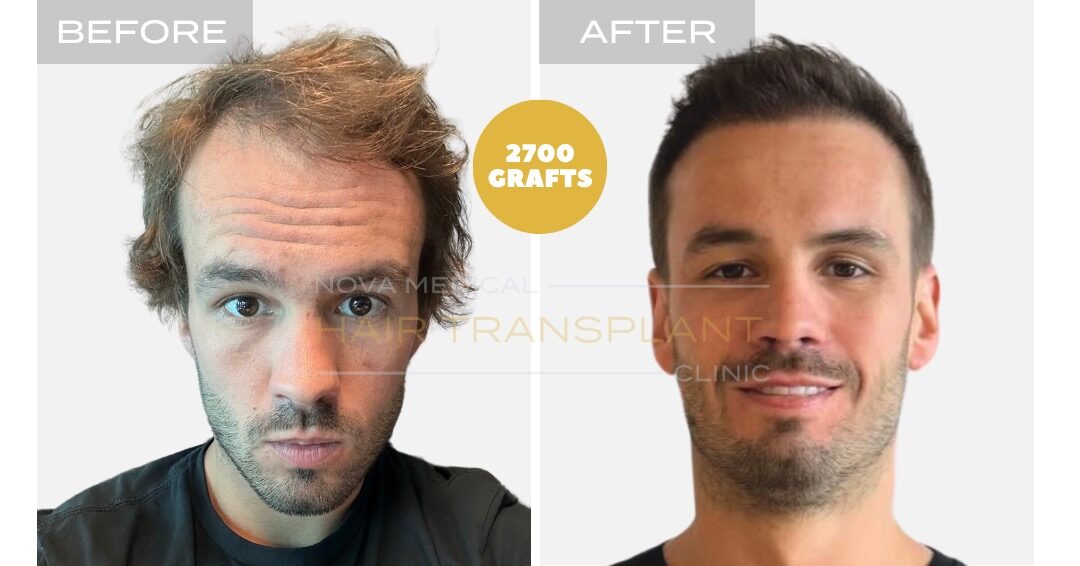
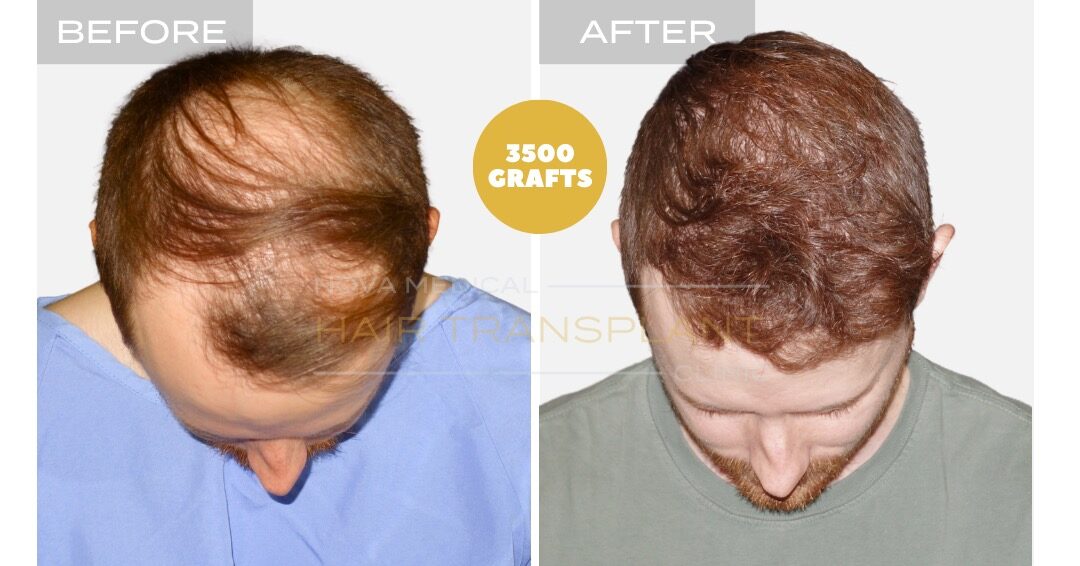
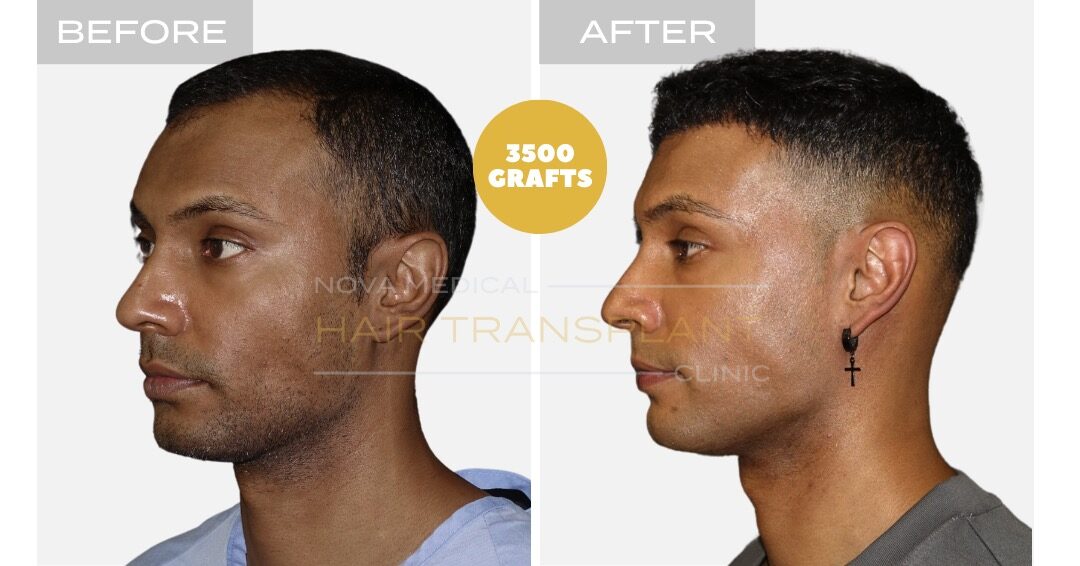
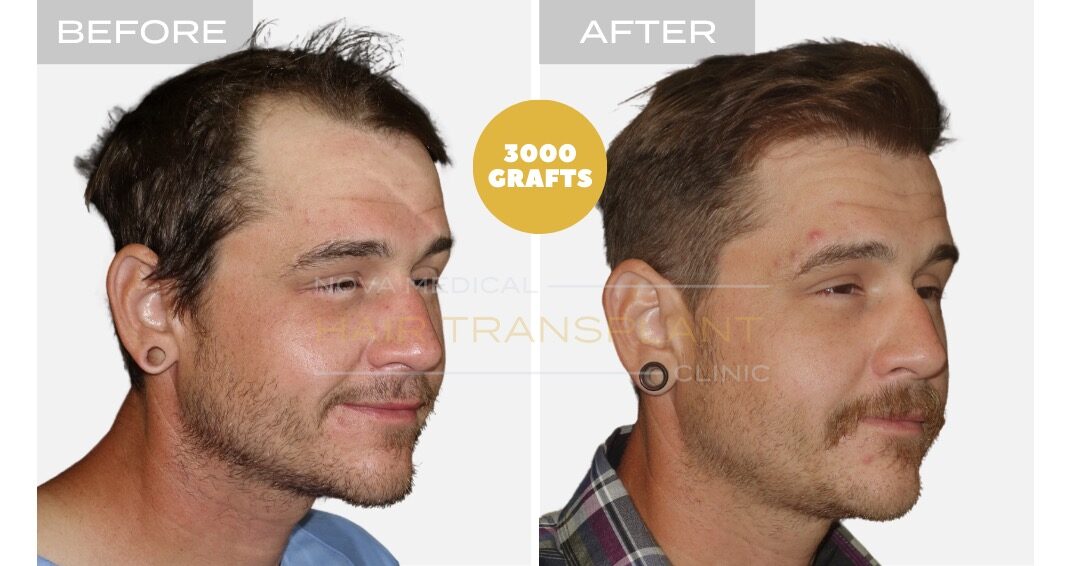
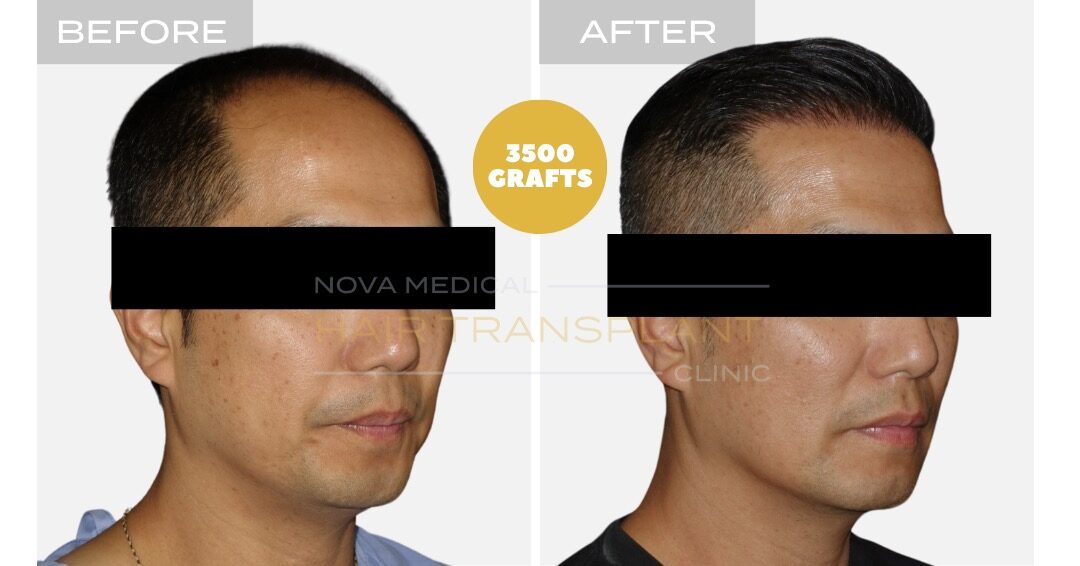
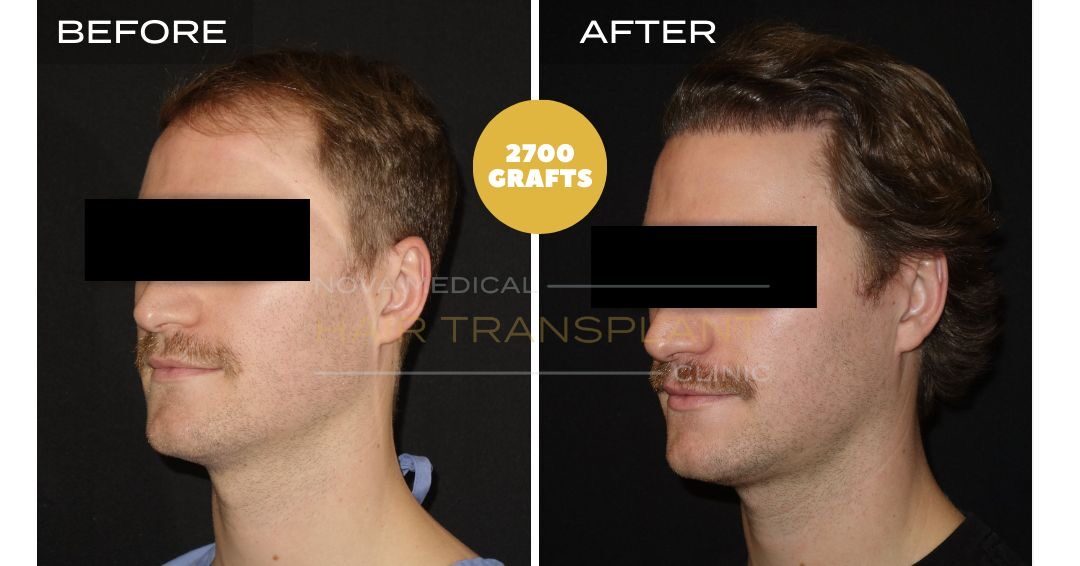
Before & After Gallery
What is Hair Cloning?
Hair cloning, sometimes called hair multiplication, is a research approach that aims to grow new hair-producing cells from a small sample of your own follicles. In theory, those multiplied cells could be returned to the scalp to create new hair where it has thinned or disappeared.
The appeal is easy to understand. A traditional hair transplant moves existing follicles from the back and sides of the head to thinning areas, so it is limited by how much donor hair you have. Hair cloning is being studied because it could one day remove that limit.
Researchers have made real progress, but important questions remain about how reliably cloned cells form new follicles, how natural the resulting hair looks and grows, and how safe the process is over the long term. Until those questions are answered in clinical trials, hair cloning remains a promising idea rather than a treatment you can book.
The Science Behind Hair Cloning
Hair cloning research sits within regenerative medicine and focuses on the cells that control hair growth. Until it becomes available, proven regenerative options such as PRP and PRF NYC can help strengthen existing hair.
Most studies focus on dermal papilla cells, a small group of cells at the base of each follicle that signal hair to grow. Scientists take a tiny sample of follicles, isolate these cells and try to multiply them in a laboratory.
The difficulty is that dermal papilla cells tend to lose their hair-inducing ability as they multiply outside the body. Much of the current research is aimed at keeping those cells active long enough to form healthy, permanent follicles once they are placed back in the scalp.
Our team keeps up with these developments so we can answer your questions accurately. When hair cloning reaches the point of safe, proven clinical use, we will be ready to explain what it means for you. In the meantime, every plan we recommend is based on treatments with established results.
Schedule a Consultation
Contact us today to schedule your consultation. Our representatives will be happy to assist you.
Hair Cloning and Male Hair Loss
Men with extensive baldness are often the most interested in hair cloning, because a receding hairline combined with a thinning crown can require more grafts than the donor area can safely provide.
Today, most men can still achieve a natural, fuller result with careful planning. A male hair transplant in New York using FUE or FUT, combined with medication to protect the hair you have, works well for many patterns of loss.
During your consultation we measure your donor density and map your pattern of loss, so you know exactly how much coverage is realistic now, without waiting for technology that is still in development.
Hair Cloning and Female Hair Loss
Women usually experience diffuse thinning across the top of the scalp rather than a receding hairline, which is why hair cloning research also interests many female patients.
Effective options already exist. Depending on the cause of thinning, a female hair transplant, PRP or PRF sessions, or medical treatment can restore density and protect the hair that remains.
We start by identifying why your hair is thinning, because the right treatment depends on the cause. From there we recommend the approach that fits your hair, your goals and your timeline.
What Hair Cloning Could Offer
More Donor Hair
If researchers succeed, cloning could ease the limit set by a patient's natural donor supply.
Help for Advanced Hair Loss
Patients with extensive baldness might one day achieve more coverage than a transplant allows.
Less Donor Harvesting
Multiplying cells from a small sample could mean taking fewer follicles from the donor area.
Natural Hair Characteristics
Cells grown from your own follicles would, in theory, produce hair that matches your own.
Options for Women
Cloning could add choices for diffuse thinning, where donor supply is often a concern.
Earlier Intervention
Younger patients with progressive hair loss might have more flexibility in the future.
Still in Clinical Research
Safety, consistency and long-term results are still being studied and are not yet proven.
Proven Options Today
FUE, FUT, PRP and PRF are available now and deliver reliable, natural-looking results.
Who Should Follow Hair Cloning Research
Hair cloning research is worth following if you fit one of the profiles below. In each case, a consultation can show you what is possible today:
- Patients with Limited Donor Hair: If your donor area is thin, we can still plan conservative transplants and non-surgical treatments that make the most of it.
- Men with Advanced Baldness: A well-designed hairline and strategic crown coverage can make a major difference even with limited grafts.
- Women with Diffuse Thinning: Identifying the cause of thinning comes first, followed by the treatment that fits it.
- Younger Patients: Early hair loss is best managed with a long-term plan that protects your donor supply for the future.
- Patients Considering Waiting: Waiting for new technology can mean losing more hair in the meantime, so it is worth knowing your options now.
- People Who Value Natural Results: Modern FUE already produces results that are very hard to detect when the plan is done well.
- Anyone Comparing Treatments: We give you an honest comparison of every option, including what is proven and what is still experimental.
At Nova Medical Hair Transplant NYC, Dr. Val Prokurat, MD and our team will assess your hair loss and give you straightforward advice about the treatments that can help you today.
Learn More About Hair Cloning in NYC
Hair cloning may change hair restoration in the years ahead, but it is not a treatment you can schedule today. If you want to understand the research or explore the proven options available now, our Upper East Side team is happy to help.
Contact Nova Medical Hair Transplant in NYC to book a free assessment. We will review your hair loss, explain what each treatment can realistically achieve and help you choose the right next step.
Schedule a Consultation