
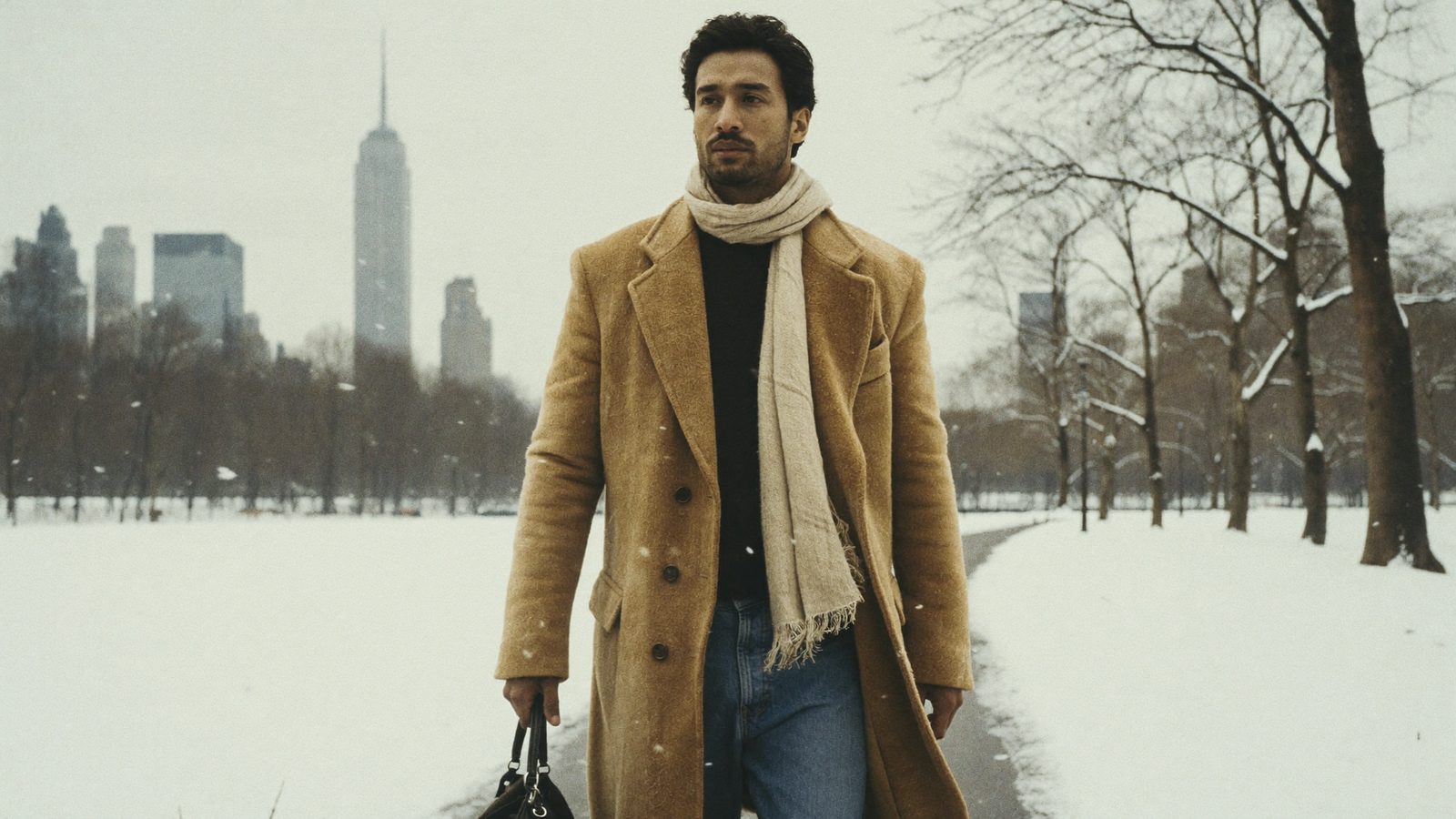
Yes, getting a hair transplant in winter is safe, and for many New Yorkers it is the most convenient time of year to do it. Grafts do not care about the temperature outside, and winter brings several practical advantages: less sun, less sweat, natural reasons to wear a hat, and a timeline that puts visible growth in place by summer. There are a few cold-weather details to manage, but none of them make winter a risky season.
This guide explains the advantages and the practical precautions of a hair transplant in winter in New York City, and how to plan the timing. Procedures run year-round at our hair transplant clinic in NYC on the Upper East Side.
Why Winter Works Well
Less sun. The healing scalp is vulnerable to sunburn for the first few weeks. In summer that means avoiding beaches, rooftops and long walks in strong sun. In winter the sun is weaker and you are rarely exposed for long.
Less sweat. Heavy sweating in the first week can irritate the scalp and increase itching. Cool weather makes it easier to stay comfortable without overheating, especially while sleeping elevated.
Easy cover-ups. Once your surgeon allows it, wearing a loose beanie or a hood in a New York winter does not draw a second look. That makes the scab phase much easier to keep private.
Time off around the holidays. Many people already have a quieter week between late December and early January, which can cover the most visible stage of healing.
Results by summer. A procedure in December or January usually shows visible growth by late spring and a strong result by summer. The full result typically arrives about a year after surgery.
| Procedure month | New growth begins | Visible change (about 6 months) | Near-final result (about 12 months) |
| November | February to March | May | November |
| December | March to April | June | December |
| January | April to May | July | January |
| February | May to June | August | February |
Cold Weather and Your Grafts
Cold air itself does not harm grafts. They are living tissue supplied by your scalp's blood vessels, which stay at body temperature. The real cold-weather considerations are about what you wear, how you travel and the indoor air.
Hats and Headwear
For roughly the first seven to ten days, grafts are anchoring and anything that rubs or presses on them can dislodge them. Most surgeons ask you to avoid hats completely in the first few days, then allow a loose, clean cap or a soft hood that does not touch the grafts once they are more secure. Tight beanies that grip the scalp and must be pulled on and off are usually best saved until about two weeks or more. Always check with your clinic before wearing anything on your head.
On the day of surgery and for the first few days, plan your travel so you do not need a hat: a taxi or car home rather than a long walk in the cold, and a scarf or a loose, wide hood if you must step outside briefly. The donor area can be covered more freely than the recipient area because it contains no new grafts, but keep anything you use clean.
Dry Indoor Air
Radiator heat in New York apartments can make the air very dry, which can leave the scalp tight and itchy. A humidifier in the bedroom, drinking plenty of water and following the clinic's washing routine help keep the skin comfortable. Do not apply oils or moisturizers to the grafts unless your clinic recommends them.
Ice, Snow and Crowds
A fall on icy sidewalks or a bump on a crowded winter train is a bigger risk to your grafts than the cold itself. In the first ten days, wear sensible footwear, avoid rushing on icy streets and try to travel outside peak rush hour.
Winter checklist: a ride home on surgery day, a loose hood or scarf for brief outings, a humidifier, clean pillowcases, a recliner or wedge pillow, and your clinic's approval before wearing any hat.
Winter Recovery Week by Week
The biology of healing does not change with the seasons. Swelling peaks around days two to four, scabs shed by about day ten to fourteen, the transplanted hairs usually shed between weeks two and six, and new growth starts around month three or four. Our day-by-day recovery guide covers each stage in detail.
Winter can make the exercise restrictions easier too. Outdoor running and summer swimming are not part of most people's winter routine anyway, and indoor training can restart gradually. Our guide to returning to work and the gym explains when each activity is safe.
Are There Disadvantages?
There are a few to plan around. Winter colds and flu can delay surgery if you are unwell on the day, so book with some flexibility. Holiday travel can make follow-up visits harder to schedule. And because many people choose winter, popular dates can book up, so it is worth planning a few weeks ahead.
What About Other Seasons?
A hair transplant works in any season. Spring is pleasant and avoids the holidays. Summer is fine if you can avoid strong sun and heavy sweating for a few weeks, and some people prefer to recover while on vacation at home. Fall gives a result in time for the following summer. The best time is simply the time that lets you rest for a few days and follow aftercare without disruption.
Holiday Events and Photos
If you have a wedding, office party or family gathering coming up, plan your procedure date around it. Scabs and redness are most visible for the first ten to fourteen days, so an event three weeks or more after surgery is usually comfortable. Remember that the transplanted hairs shed between weeks two and six, so in early photos your hair may look much as it did before surgery. The noticeable improvement comes in the spring as new growth comes in.
Cold-Weather Scalp Care After Healing
Once the grafts are secure and the scalp has healed, a few habits help through the rest of the winter. Keep washing with a gentle shampoo, avoid very hot showers that dry the skin, and use a humidifier at night if your apartment is heated by radiators. If your clinic approves a scalp moisturizer after the first few weeks, use a light, fragrance-free product. A soft hat with a smooth lining is kinder to the growing hair than rough wool pressed tightly against it.
Combining Winter Treatment With PRP
Some patients use the winter months to start a course of PRP treatment after their transplant, often one to three months after surgery once the scalp has healed. Because PRP sessions are short and have little visible downtime, they fit easily around a winter schedule and can support native hair while the transplanted hair grows in.
Real-World Scenarios
A finance professional booking in mid-December. The procedure falls just before the holiday week, so the visible scab phase happens while the office is quiet. By the time work picks up in January, most signs have faded, and new growth is visible by late spring.
A patient who skis in February. A procedure in early December gives several weeks for grafts to secure and the scalp to heal before a helmet is needed. Booking in late January would be cutting it close, because helmets press on the scalp and are best avoided for several weeks.
A patient who wants results for a summer wedding. A November or December procedure gives about six to seven months of growth by the wedding, usually enough for a clear improvement, though the final result arrives closer to a year.
Planning a Winter Procedure in NYC
If you are thinking of a winter procedure, book a free assessment in the fall. You will get a graft plan, a technique recommendation and a written quote, and the team can suggest dates that fit around holidays and work. At Nova Medical NYC, pricing runs from $3.99 to $7.99 per graft, with most procedures between $4,000 and $15,000, no session fees and 0% financing for the first 12 months. See the hair transplant cost page for detail, or read how long the result will last in our guide on how long a hair transplant lasts.
Book a Winter Procedure Date
A free assessment with Dr. Val Prokurat, MD gives you a graft plan and price, and the team can suggest procedure dates that fit around the holidays and your work.