
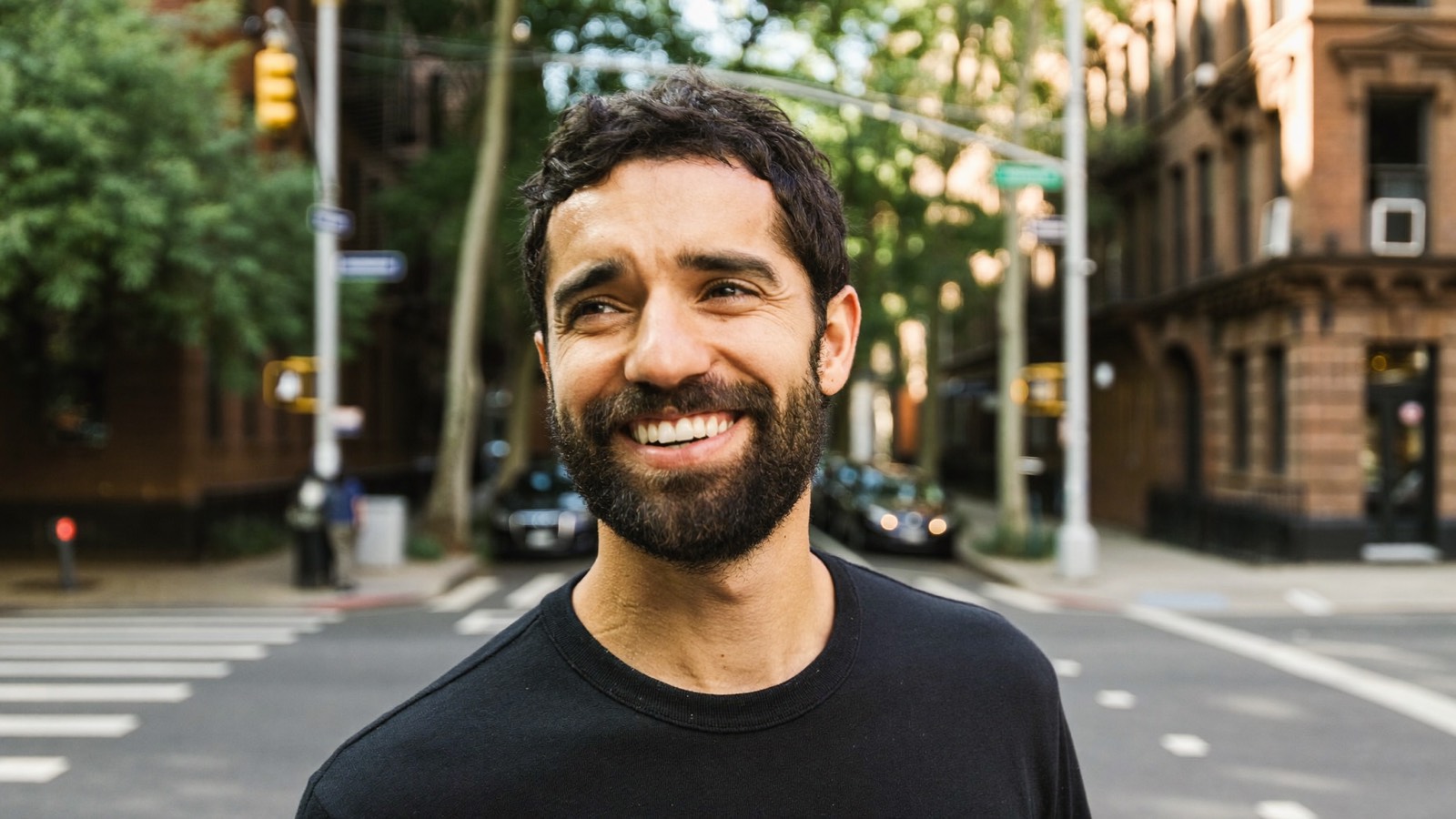
A beard transplant moves hair follicles from the back of your scalp to the cheeks, mustache, chin or jawline, where they grow as permanent facial hair. If you are weighing one, the most useful thing to know is what to expect at each stage: the assessment, the design, the procedure day and a recovery that runs from a few quiet days to a final result at around a year. Our beard transplant in NYC page covers the procedure itself; this guide walks through the experience step by step.
It covers who tends to be a good candidate, how a beard is designed, how many grafts different styles need, what happens on the day, a detailed recovery timeline, how to plan around work and training, cost and the questions worth asking before you book.
Who Is a Good Candidate for a Beard Transplant?
Most men who consider a beard transplant fall into one of a few groups. Some have patchy growth on the cheeks or a gap between the mustache and the beard. Some have a beard that never filled in along the jaw. Others have a scar, from an injury or earlier surgery, that interrupts growth. A smaller group want to restore a beard after a condition that has since settled.
A good candidate usually has three things in place:
- A healthy donor area: enough dense hair at the back and sides of the scalp to supply the grafts the plan needs.
- A stable face to work with: skin that is healthy, with no active condition in the areas being treated.
- Realistic goals: a beard that suits your face and your donor supply, built with grafts that will grow at a natural angle and density.
Patchy beards caused by an active autoimmune condition such as alopecia areata are usually not treated until the condition has been stable for some time. Your general health and any regular medicines are reviewed before a plan is made.
Step 1: The Assessment
The first step is an assessment. At our clinic, that starts with a free phone call, followed by a visit to our Upper East Side clinic. The team looks at the areas you want to fill, the density and direction of any existing beard hair and the donor area on your scalp.
Photos help. Bring a few of yourself with a few days of growth, because they show where your beard grows well and where it does not. If you have a style in mind, such as a short boxed beard or a fuller look along the jaw, bring a photo of that too.
You leave with a written plan: the areas to treat, the planned number of grafts and a price. You do not have to decide on the day.
Step 2: Designing Your Beard
Design is where a beard transplant succeeds or fails. A good design follows the way facial hair grows naturally rather than drawing a perfect line.
- Cheek line: the upper edge of the beard is set at a height that suits the shape of your face, usually soft rather than sharp.
- Neckline: the lower edge is planned so the beard can be trimmed cleanly without looking drawn on.
- Angle and direction: beard hair grows at a very low angle to the skin and changes direction across the cheek, chin and neck. Each graft is placed to match.
- Density: more grafts go where a beard is usually fullest, such as the chin and mustache, with a gentler fade toward the cheeks.
- Single hairs at the edges: grafts with one hair are used along the borders so the edges look soft and natural.
The design is drawn on the skin before the procedure, and you review it in a mirror before anything begins.
How Many Grafts Does a Beard Need?
Graft numbers depend on the areas you want to fill and how dense you want the result to be. As a guide:
| Area | Typical graft range | Notes |
| Mustache or goatee on its own | 500 to 800 | Often a single, shorter session |
| Patchy cheeks or a gap between areas | Varies with the size of the gap | Grafts blend with existing hair |
| Full beard (cheeks, mustache, chin and jaw) | 1,500 to 3,500 | Planned around donor supply |
| Scar in the beard area | Small, set by the scar size | Scar tissue is assessed first |
Beard grafts usually hold one or two hairs, because facial hair grows in smaller groups than scalp hair. That is why the team selects finer grafts from the donor area for the face. Hair texture also matters: coarse or curly hair can give more visual coverage per graft. Our guide to hair transplants for every hair type explains how texture shapes a plan.
Step 3: The Procedure Day
On the day, most patients are at the clinic for between two and six hours, depending on the size of the plan. The day usually runs in this order:
- Review: you go over the plan and the drawn design, and ask any last questions.
- Preparation: a small area of the donor scalp is trimmed, and the scalp and face are numbed so the work is comfortable.
- Extraction: grafts are taken one at a time from the donor area using FUE, which leaves tiny round marks rather than a linear scar.
- Sorting: grafts are checked under magnification, sorted by the number of hairs and kept cool and moist.
- Placement: each graft is placed into the beard area at the planned angle and direction.
- Aftercare briefing: you receive written instructions and go home the same day.
Most people read, watch something or rest during the longer stretches. You can take breaks for food and the bathroom. At our clinic, Dr. Val Prokurat, DO, a surgeon specializing in general surgery, is involved in every part of your procedure, from consultation to follow-up, working alongside our in-house surgical team on East 74th Street.
Recovery: What to Expect Day by Day
Beard recovery is usually quicker and less visible than people expect, but the first two weeks still need care.
The First Night
You go home the same day. Some swelling, redness and tiny scabs around the grafts are normal. Sleep with your head slightly raised and avoid touching or rubbing your face.
Days 1 to 5
Swelling settles over the first few days. You follow a simple routine for cleaning the face and donor area. Most men are comfortable returning to work and social plans between days three and five, as long as they follow their aftercare guidelines.
Days 7 to 10
The small scabs on the face have usually fallen away by now, and the extraction sites on the scalp have healed. Any remaining redness keeps fading. Many patients can resume gentle shaving or trimming around, but not over, the grafted areas once they are cleared to do so.
Weeks 2 to 4
Expect many of the new beard hairs to fall out. This shedding is normal and temporary. The follicles stay healthy beneath the skin and will regrow.
Months 3 to 6
New hairs start to break through around month three. Growth can look uneven at first, because follicles become active at different times. By around six months, most patients see a clear difference, with density still building.
Months 9 to 12
The beard reaches its final, permanent result between nine and twelve months. From then on, it can be trimmed, shaved and styled like the rest of your facial hair.
Planning Around Work and the Gym
A beard transplant is easier to plan around than many people think. Most office workers return within a few days. People in client-facing roles sometimes prefer a full week, because light redness can last a little longer on fair skin.
Exercise needs a short pause. Sweat and friction can disturb new grafts, so hard training is usually avoided for the first couple of weeks, with light walking allowed sooner. Our guide to going back to work and the gym after a hair transplant covers the timings in more detail.
Shaving needs planning too. Avoid shaving or trimming the grafted areas until you are cleared, and avoid sharp razors over the new beard for the first few weeks.
Living With Your New Beard
Because the grafts come from the scalp, the new beard hair can sometimes be a little softer or grow slightly faster than native facial hair. In practice, most men trim it with the rest of their beard and the difference is hard to see. The transplanted hair is permanent, so it can be shaved off and will grow back.
A few habits help in the first year:
- Keep the skin moisturized while the face heals.
- Protect the face from strong sun in the first weeks.
- Take photos once a month in the same light, so you can see progress that is hard to notice day to day.
- Book follow-up visits so the team can check growth and answer questions.
What a Beard Transplant Costs in NYC
Cost depends mainly on the number of grafts, so a mustache or goatee costs less than a full beard. Your exact plan and price are confirmed in writing at your assessment, once the graft count is set. Monthly payment options are available, subject to credit approval.
When comparing clinics, ask each one for the planned graft count, how involved the physician is and what follow-up is included, so the quotes compare like for like.
Is a Beard Transplant Right for You?
A beard transplant suits men who want a permanent, natural-looking fill for patchy or missing beard areas and who have enough donor hair to supply it. It is less suited to people whose donor area is thin or who also need many grafts for the scalp, because both draw on the same supply.
If you are planning both a scalp and a beard procedure, the order matters. The team will look at your overall donor supply and decide how many grafts can go to each area over time. If you are still deciding on a hair transplant in NYC, it is worth raising both goals at the first assessment.
Questions to Ask Before You Book
- How many grafts does my plan use, and where will they go?
- Will single-hair grafts be used along the edges of the beard?
- How much donor hair will be left for the future?
- Who designs the beard, and who places the grafts?
- How long will the procedure take on the day?
- When can I return to work, the gym and shaving?
- What follow-up visits are included?
Plan Your Beard With Us
Start with a free phone assessment, then visit 42A-B East 74th Street to design your beard, confirm your graft count and get a written plan and price. Call (212) 362-9861, Monday to Friday, 9am to 6pm.